
Boreholes in an Ontario mine have been releasing hydrogen from some of Earth’s oldest rock for at least a decade, giving scientists rare field evidence that natural hydrogen can flow from deep underground systems over long periods.
The finding comes from a study published in the Proceedings of the National Academy of Sciences. Researchers from the University of Toronto and the University of Ottawa studied hydrogen escaping from rocks in the Canadian Shield, a vast geological region that stretches across much of Canada.
This matters because most hydrogen used today is not mined or collected from nature. It is manufactured, often with fossil fuels, for industries such as fertilizer production, methanol manufacturing, and steelmaking. Hydrogen found already forming underground, often called white hydrogen, could offer a different source, but the study does not show that it is ready for commercial production.
Ontario Mine Data Shows a Real Underground Hydrogen Flow
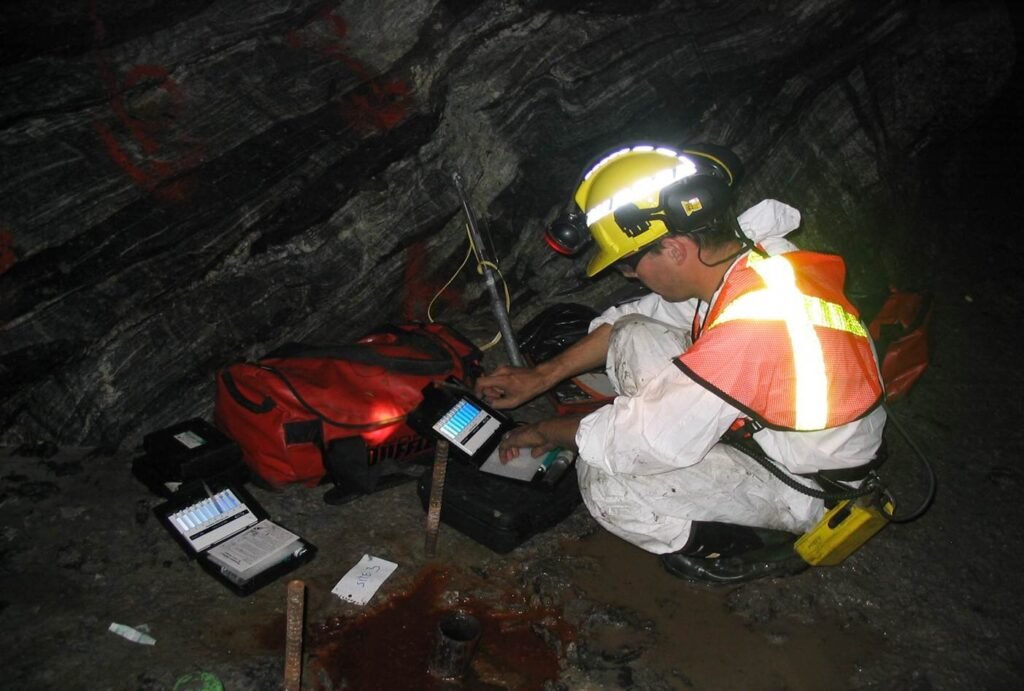
The measurements came from an active mine near Timmins, Ontario, where drilled boreholes were releasing hydrogen gas from ancient rock. Each borehole released an average of 0.008 tonnes of hydrogen per year, or about 8 kilograms, according to the study.
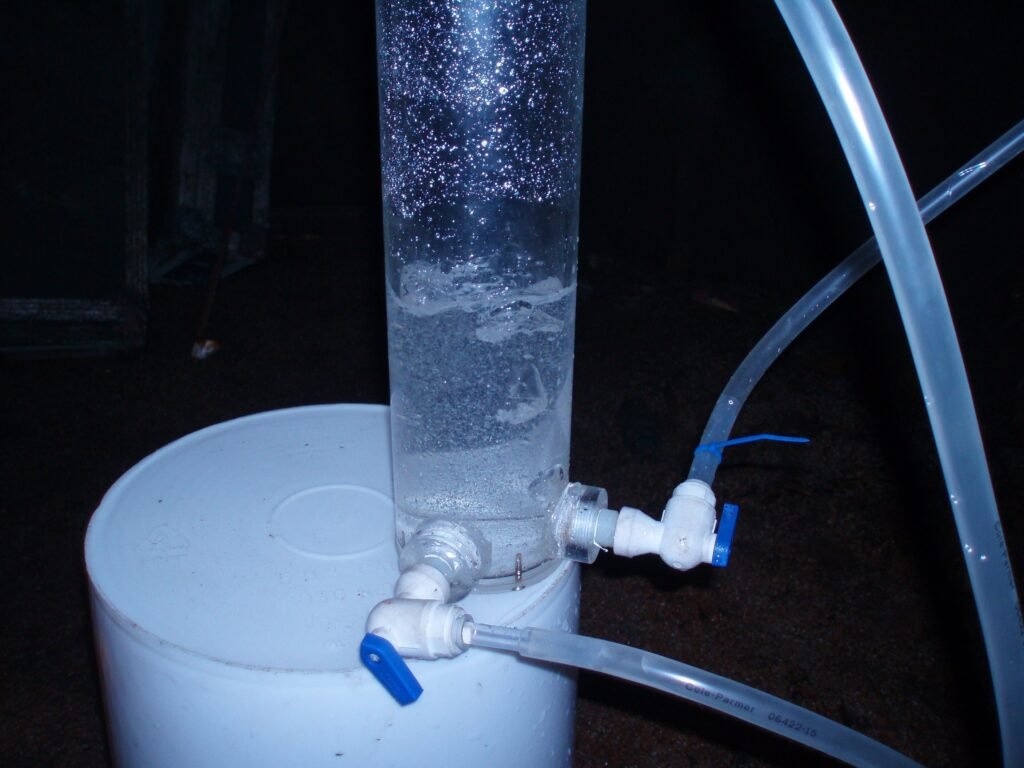
A single borehole does not produce much gas. The scale changes because the mine site contains nearly 15,000 boreholes. When the researchers applied their measurement across that wider network, the estimated annual output reached more than 140 tonnes of hydrogen.
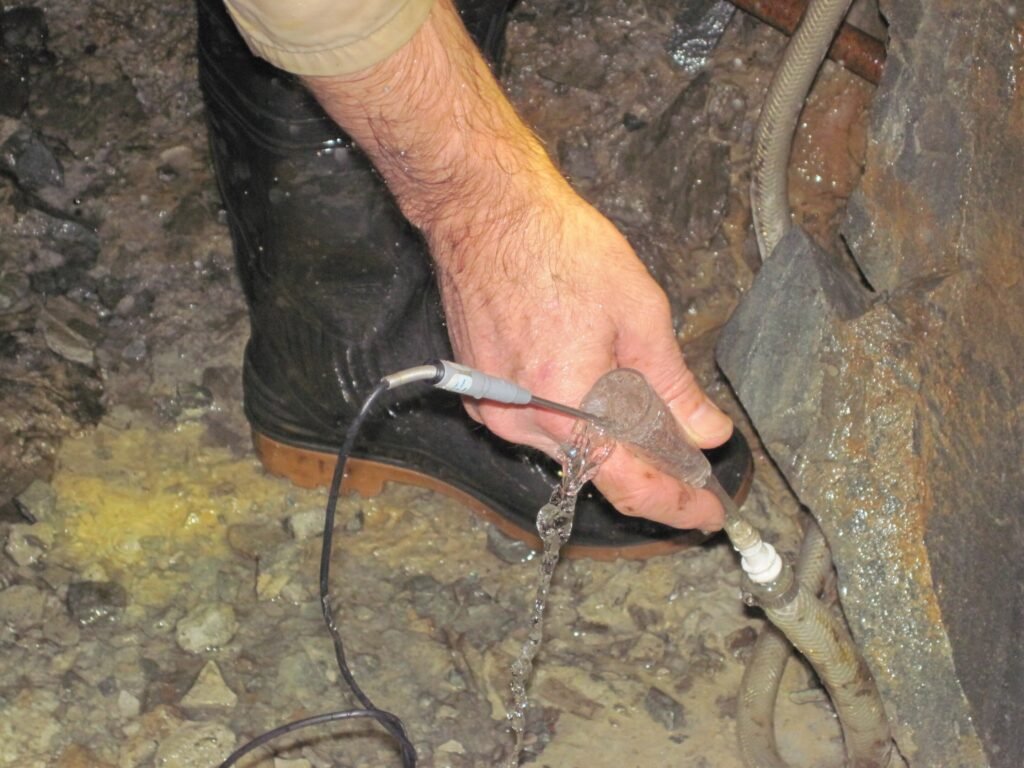
The study calculated that this amount could generate about 4.7 million kilowatts of energy per year, enough to meet the annual energy needs of more than 400 homes. The more important point for scientists is not only the amount, but the persistence. Hydrogen continued to flow from the boreholes for at least 10 years, which makes the site more than a brief geological curiosity.
Why Old Rock Can Produce Hydrogen
Natural hydrogen forms when underground water reacts with certain minerals inside rock. Those chemical reactions can separate hydrogen from water molecules, allowing the gas to collect below the surface or move through cracks, fractures, and drilled openings.
The Canadian Shield is a strong place to study this process because it contains very old rocks with mineral conditions linked to hydrogen production. The study identifies several areas where hydrogen appears to be concentrated, including Northern Ontario, Quebec, Nunavut, and the Northwest Territories.
Barbara Sherwood Lollar, a University of Toronto geologist and the study’s lead author, described the findings as “critical untapped opportunities” to access a domestic energy source made naturally underground. She also said it could support regional industrial hubs in Canada and reduce dependence on imported hydrocarbon-based fuels.
Mining Regions Could Be First to Test the Opportunity
The same rock types that produce hydrogen are also associated with mineral deposits. Oliver Warr, an assistant professor at the University of Ottawa and a co-author of the study, said these rocks are linked with nickel, copper, diamonds, and other resources.
That overlap gives mining regions a practical reason to pay attention. Mines already drill into deep rock, operate in areas with mineral-rich geology, and often need reliable energy far from major infrastructure. If hydrogen can be collected near those sites, it could reduce the need to transport fuel over long distances.
The source also links these rock systems to exploration for critical minerals such as lithium, helium, chromium, and cobalt. That does not prove hydrogen can be extracted profitably, but it helps explain why regions already known for mining could become early targets for clean energy exploration.

Farid Amber is a Canada-based writer and Editor-in-Chief who covers technology, space, and the environment. With a strong technical background, he brings a clear and practical perspective to stories about innovation, science, and the future of our planet.
His education includes a diploma in Applied Science, a master’s degree in Industrial Electrical Engineering, and a diploma in Electromechanical Automated Systems. This gives him a deep understanding of how modern technologies work, from complex engineering systems to the ideas driving new discoveries.
As Editor-in-Chief, Farid focuses on making complex topics easy to read, accurate, and meaningful. His goal is to help readers understand not only what is happening in the world of science and technology, but why it matters.
Leave a Reply