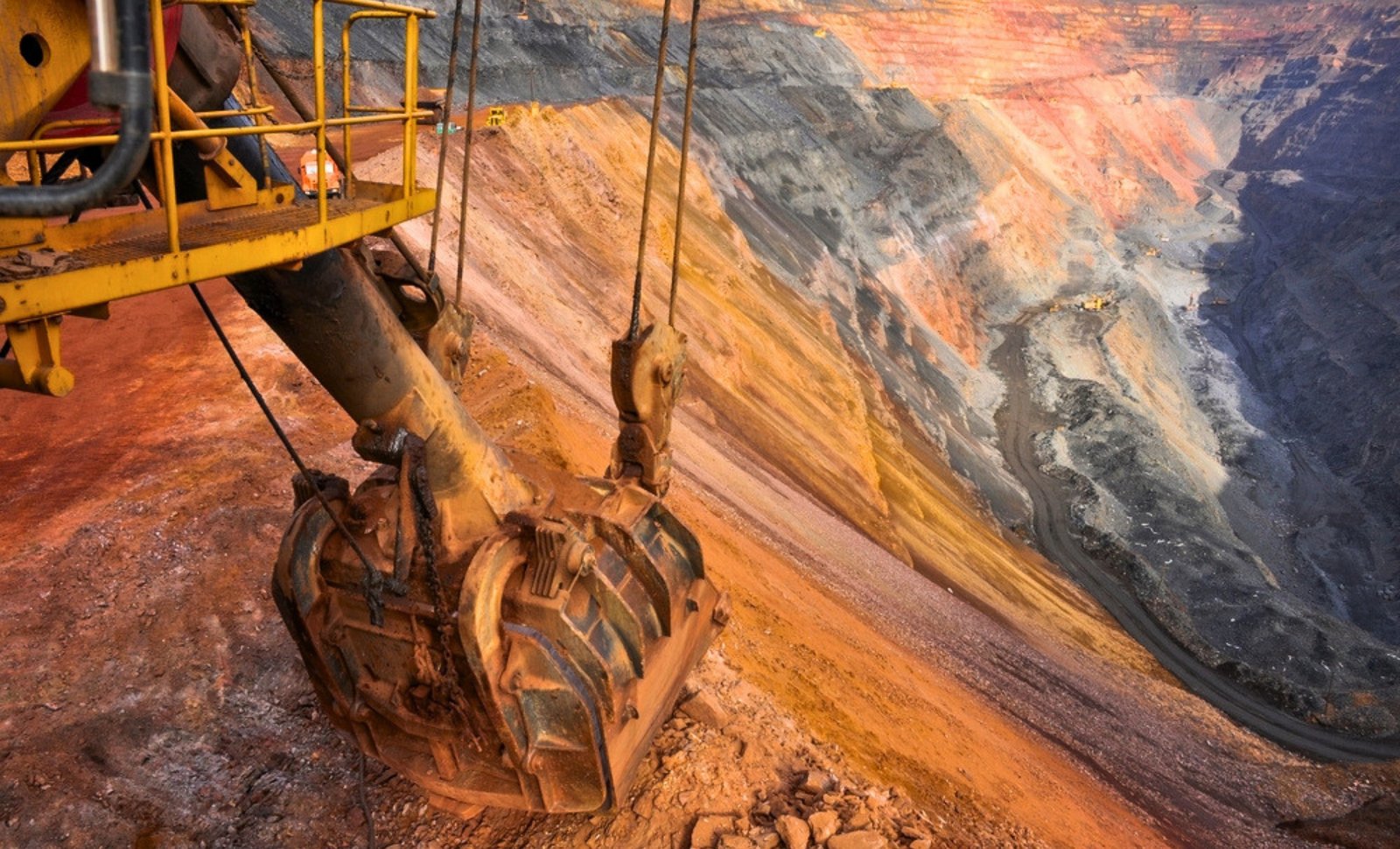
In April 2025, when geologists examined the first drill cores from Filo del Sol in the Andes, the results defied expectations. The samples revealed 1.14% copper, alongside gold and silver concentrations so rich they redefined the region’s potential. This was not just another find. It was the largest untapped copper discovery in 30 years, spanning the Argentina-Chile border with enough metal to power the global shift to clean energy.
The Vicuña deposit holds 84 billion pounds of copper, 32 million ounces of gold, and 659 million ounces of silver, resources that could supply electric vehicle manufacturers for years or rival Argentina’s entire agricultural export revenue. But Vicuña’s true significance lies not just in its size, but in its location, its challenges, and its potential to either revive or destabilize Argentina’s struggling economy.
A Discovery With Unprecedented Challenges
At its core, Vicuña’s high-grade zone, 606 million tons averaging 1.14% copper equivalent, contains more valuable metal than most mines produce in a lifetime. The gold alone, valued at over $70 billion at current prices, exceeds Argentina’s annual export earnings. Yet unlike Chile’s well-established copper mines, Vicuña presents two critical hurdles.
First, the deposit crosses an international border, forcing Lundin Mining and BHP to navigate dual legal systems, tax structures, and environmental regulations, a first for the Andes. Second, the copper is intertwined with gold and silver, making the project far more lucrative but also far more controversial. As Jack Lundin, CEO of Lundin Mining, stated in the company’s May 2025 technical report, “This isn’t just a copper deposit. It’s a multi-metal resource that changes the game.”

But game-changing projects come with game-changing risks. The Andes are home to glaciers and wetlands that supply water to millions. Argentina’s Glacier Protection Law prohibits mining activities that threaten these ecosystems. The companies’ proposed solution, a 137-mile pipeline to transport desalinated seawater from Chile’s coast, has never been attempted at this scale in the region. Critics remain skeptical. “They’re proposing an engineering miracle,” said Lucía Cirmi, an environmental lawyer. “Mircles don’t always end well.”
Why This Mine Matters to the World
Copper is the backbone of the green energy transition. Every wind turbine, solar panel, and electric vehicle depends on it. The International Energy Agency projects global demand will rise 30% by 2040, just as existing mines face declining ore quality. Vicuña’s timing couldn’t be more critica, or more fraught.
For Argentina, the deposit offers a potential economic lifeline. The country battles runaway inflation, currency devaluation, and stagnant growth. Vicuña promises $965 million annually in taxes and royalties, enough to double national education funding, and thousands of jobs in a region where unemployment nears 20%. But Argentina’s mining history is checkered with failures.

The 2010 Veladero gold mine spill poisoned five rivers, costing Barrick Gold $9.8 billion in fines. “They always promise prosperity,” said María Flores, a Diaguita community leader. “What they leave behind is pollution.”
Then there’s the market risk. Copper prices fluctuated wildly in 2024, and Vicuña’s economic model depends on them staying high. If they don’t, Argentina could face a half-built mine and crippling debt. The gold and silver add value but also volatility, making the project a high-stakes gamble.
The Battle Over Water and Land
The real conflict isn’t about metal. It’s about water.
The Andes’ glaciers and wetlands are vital water sources for millions. Vicuña’s operators plan to use groundwater initially, then switch to desalinated seawater, an untested solution in this terrain. “Pumping water 137 miles uphill isn’t just ambitious,” said Carlos Mendoza of Greenpeace Andes. “It’s unproven.”

Indigenous communities, including the Diaguita, have legal rights to consultation under Argentine law. So far, they say, those consultations have been superficial. “They hold meetings in Buenos Aires, far from our homes,” said Flores. “They don’t even translate the documents. How is that real consultation?”
The companies claim they’ll follow “world-class environmental standards.” But the Andes have seen standards fail before. BHP’s 2019 tailings dam collapse in Brazil, which killed 270 people, remains a stark warning. “We’ve heard these promises,” said Cirmi. “The difference is, this time, the consequences could be even worse.”
What Comes Next?
Right now, Vicuña is a sleeping giant. The metal remains underground. The pipeline is still theoretical. The jobs are still promised.
But the countdown has begun. In October 2026, Argentina’s Supreme Court will decide whether the mine’s water permit violates the Glacier Protection Law. A ruling against the project could delay it for years. A favorable decision could accelerate construction, but also ignite protests.
Either way, the Andes won’t stay quiet. The wind still sweeps across the high plains. The glaciers still feed the rivers. And beneath it all, $200 billion in metal waits, along with the question of whether Argentina can unlock it without fracturing its future.

Ghiles Houari is a writer based in Algeria with a technical background in applied science and industrial electronics. He is naturally curious about how things work, from everyday technology to the systems and ideas shaping the modern world.
With his hands-on technical training, Ghiles brings a practical and thoughtful perspective to his writing. He focuses on making science, technology, electronics, and innovation clear, interesting, and easy to understand.
For him, good writing is not just about explaining facts — it is about helping readers see why they matter.

Leave a Reply