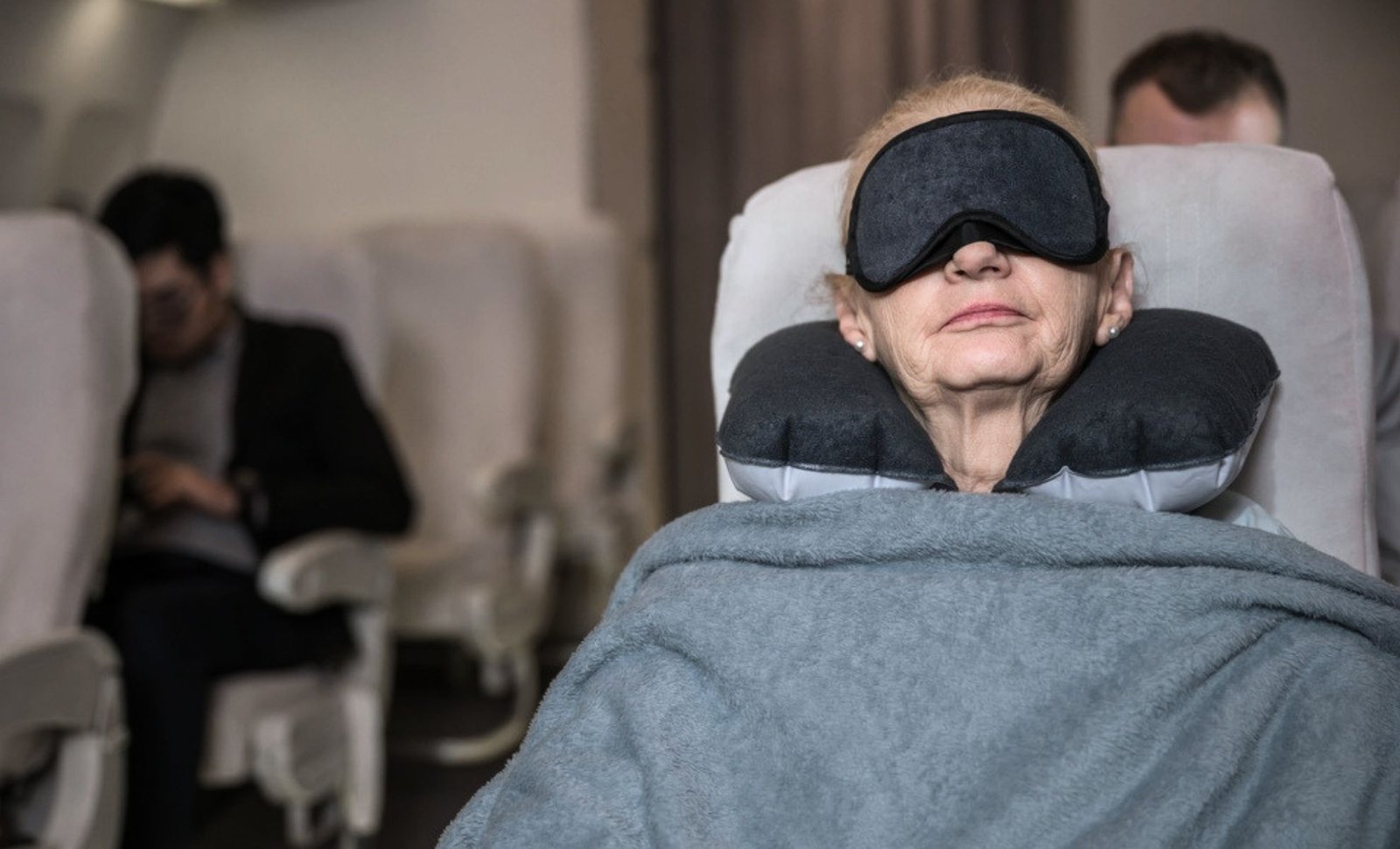
Flight attendants boarding a plane in 95 degree heat still show up in sweaters and sometimes jackets. That’s not a wardrobe choice. It’s a preview of what’s coming once the doors close, according to Bobby Laurie, a former flight attendant and co-host of the travel show The Jet Set.
Laurie spoke with Popular Science about the chill passengers feel almost as soon as they take their seats. That chill isn’t an oversight, and it isn’t about cutting costs on air conditioning. Airlines keep cabins cold on purpose, and the real reason has less to do with comfort than with something happening inside passengers’ bodies at altitude: a drop in oxygen that can make people faint.
The Sweater Is a Warning Sign
Laurie says airlines generally aim for somewhere between 70 and 75 degrees, a range that sounds mild on paper. Most indoor spaces sit in that same window without feeling cold at all.
The reason a plane still feels chilly traces back to humidity. Cruising cabins are kept unusually dry, typically 10 to 20 percent humidity, drier than most deserts. That dryness exists mainly to prevent corrosion inside the aircraft’s frame.
It also changes how the temperature feels on skin. A 72 degree cabin reads noticeably colder than 72 degrees anywhere else, which is why the chill feels so consistent across airlines and aircraft types rather than varying by carrier.
Humidity, though, is only half the story. The bigger reason cold air matters comes down to something happening inside the body itself once the plane reaches cruising altitude.
Why Cold Air Keeps You From Fainting
The core issue is hypoxia, a condition where the body doesn’t get enough oxygen and can cause someone to pass out. Commercial cabins are pressurized to simulate an altitude of roughly 6,000 to 8,000 feet rather than true sea level.
That pressurization level is a compromise. It spares the aircraft’s structure from extra stress while still keeping passengers reasonably comfortable, but it comes at a cost: the body has access to about 25 percent less oxygen than it does on the ground.
Laurie says fainting on planes happens more often than most travelers assume, especially on red-eyes. A passenger wakes up mid-flight, feels disoriented, stands up too fast, and ends up on the floor before anyone realizes what happened.
Warm air makes that risk worse, because heat forces the heart to pump faster and demand more oxygen at the exact moment the body has less of it to spare. Cold air pushes back against that chain reaction, helping slow the heart rate and stabilize blood oxygen.
Hundreds of Bodies, One Thermostat
There’s a second, more mundane problem crews are managing at the same time: body heat. A cabin that feels properly cool at boarding can climb several degrees once it fills with passengers.
Blankets, hoodies, and elbow-to-elbow seating all add warmth to a sealed space. Running the air conditioning colder from the start offsets that buildup before it happens rather than reacting to it later.
That’s part of why a flight can feel frigid during boarding and noticeably milder hours later over open water, once everyone’s body heat has caught up with the thermostat setting.
Cold air is also doing quiet work on hydration. Because cabin air is already dry, warmer temperatures would speed up how fast moisture evaporates off the skin, accelerating dehydration on top of everything else.
Keeping the cabin cooler slows that evaporation and keeps the air from feeling stale, a detail Laurie pointed to in reference material on cabin humidity. The cold is solving three problems at once: oxygen, heat, and moisture.
Boeing, Airbus, and the Battle Over the Thermostat
Who actually controls that thermostat depends on the plane. On Boeing aircraft, the flight deck sets cabin temperature, meaning pilots make the call rather than flight attendants walking the aisle.
Airbus planes work differently, giving flight attendants control through a central touchscreen, according to a cabin temperature control guide. Boeing crews typically work with rotary dials running from “cool” to “warm,” while Airbus crews can dial in specifics.
Behind either system sits the aircraft’s Environmental Control System, which manages pressure, temperature, and air quality across separate zones rather than treating the plane as one climate.
The flight deck gets its own zone because navigation and communication equipment throws off extra heat, and the passenger cabin is typically split into two to four zones, such as forward, mid, and aft. Trim air valves feed small amounts of hot or cold air into each zone individually.
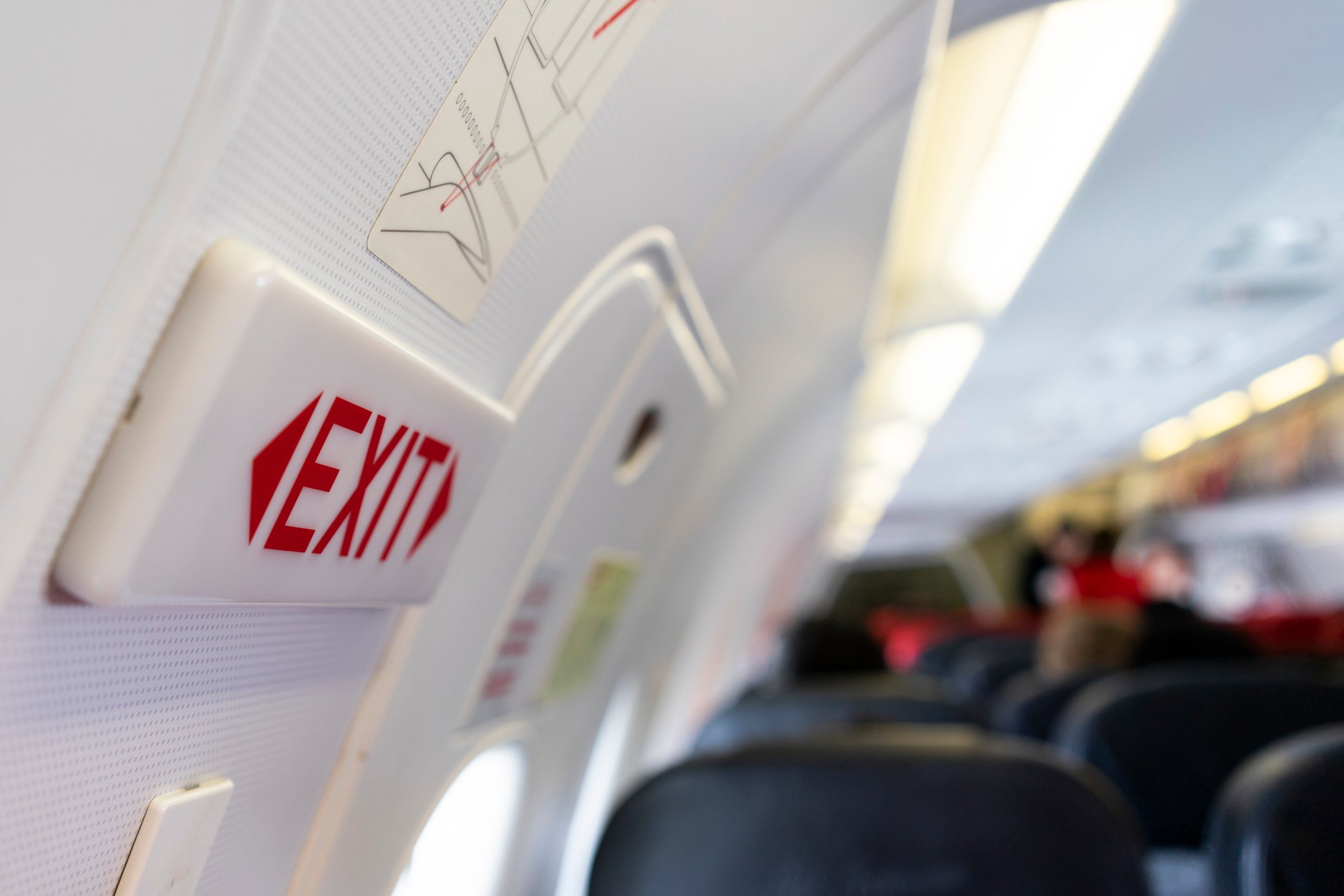
That zone system is why walking from the front of a plane to the back can feel like crossing a border. Galley areas near the doors tend to run coldest of all, and passengers in an exit row sometimes notice extra cold air leaking in around the door seals.

Ghiles Houari is a writer based in Algeria with a technical background in applied science and industrial electronics. He is naturally curious about how things work, from everyday technology to the systems and ideas shaping the modern world.
With his hands-on technical training, Ghiles brings a practical and thoughtful perspective to his writing. He focuses on making science, technology, electronics, and innovation clear, interesting, and easy to understand.
For him, good writing is not just about explaining facts — it is about helping readers see why they matter.


Leave a Reply