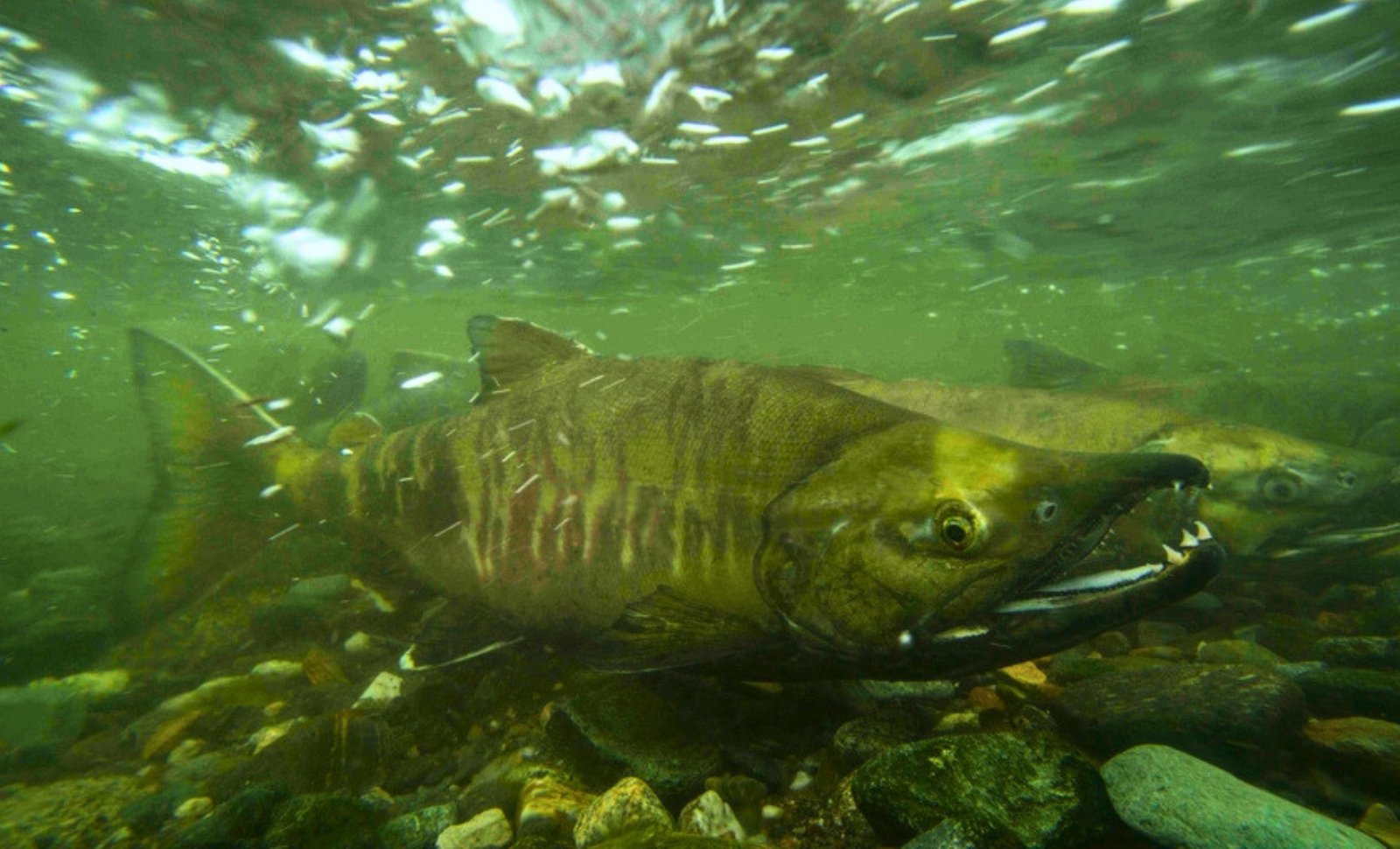
A specter is haunting the world’s waterways, and it is not the obvious poison of industrial sludge or agricultural runoff. It is the ghost of a party from the night before: the invisible, persistent residue of human drugs that passes through our bodies, slips past wastewater filters, and quietly infiltrates the lives of wild creatures. A new study has just delivered the starkest evidence yet that this chemical infiltration is not a passive contamination. It is a behavioral hijacking.
The investigation, published in Current Biology, focused on Atlantic salmon, a species already navigating a gauntlet of existential threats. Researchers in Sweden exposed young fish to environmentally realistic concentrations of cocaine and its primary urinary metabolite, benzoylecgonine. What they observed was not a subtle, ambiguous shift. The exposed fish fundamentally changed their movement patterns, dispersing widely and swimming dramatically longer distances with a restless energy that scientists found deeply unsettling.
The most critical and surprising discovery was the culprit. It was not cocaine itself that drove the most significant change. The main disruptor was benzoylecgonine, the harmless-sounding breakdown product. This detail turns a conventional pollution story into a systemic regulatory blind spot. Standard environmental risk assessments rarely consider the persistent and potent ghost metabolites that linger long after the parent drug has faded.
The Metabolic Deception in Our Rivers
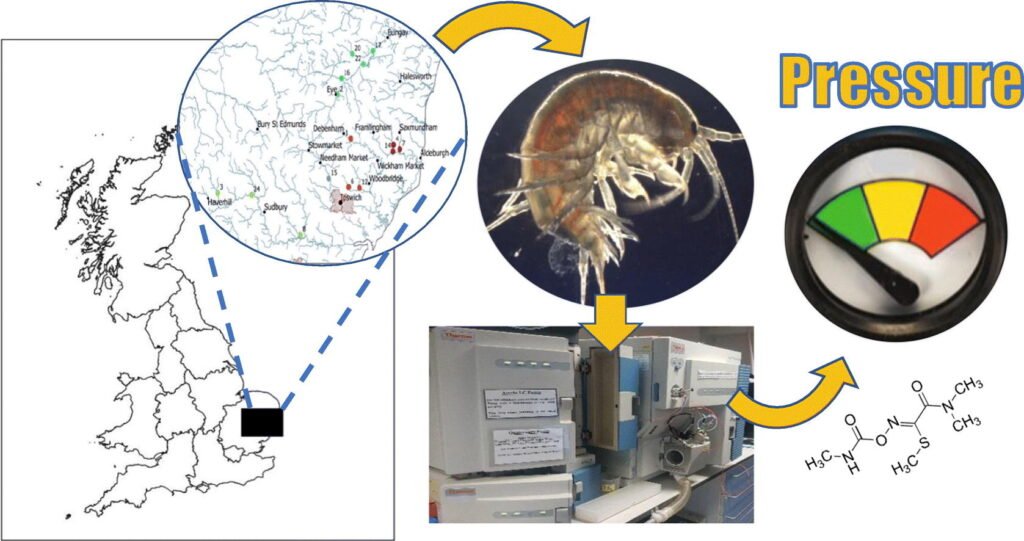
The presence of pharmaceuticals in waterways is a well-documented problem globally. An influential 2019 biomonitoring study found cocaine in 100% of freshwater shrimp samples collected across multiple river catchments in the UK, underscoring the ubiquity of this contamination. This new salmon research, however, moves the conversation from mere presence to alarming consequence. According to the peer-reviewed findings reported by the Guardian, lead researchers Jack Brand and Marcus Michelangeli tracked juvenile salmon in Sweden’s Lake Vättern using acoustic transmitters.
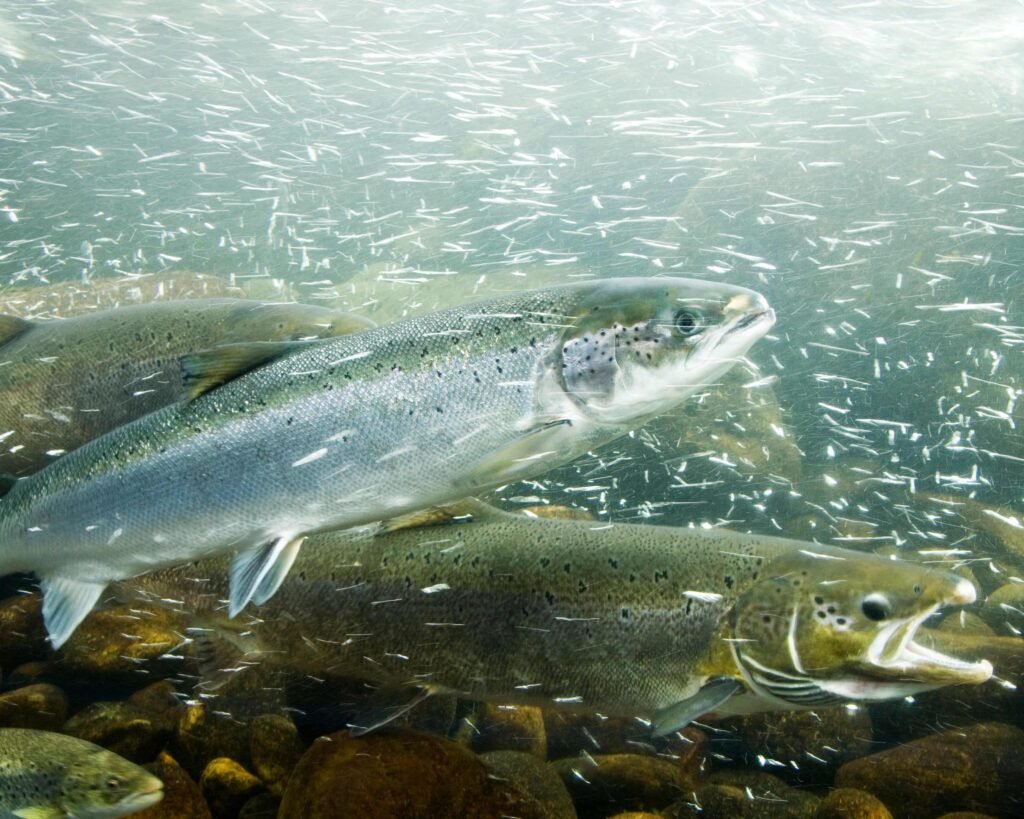
The quantitative difference was stark. By the final weeks of the eight-week study, fish carrying a slow-release implant of benzoylecgonine were swimming nearly twice as far each week as their unexposed counterparts. While the sober control group traveled up to roughly 12 miles from the release site, the metabolite-exposed salmon wandered up to 20 miles. That represents almost 60% further dispersal into potentially dangerous open waters.
“It was really the metabolite, which we know occurs at higher concentrations in the wild, that had the much more profound effect on fishes’ behavior and movement,” Brand told the Guardian. The human body rapidly breaks cocaine down into benzoylecgonine, which is then excreted. Modern wastewater treatment plants often fail to strip out these dissolved compounds. Wildlife continuously faces a stronger dose of the breakdown product than the drug itself.
Unseen Agendas: Energy, Risk, and Predator Exposure
In the controlled environment of a hatchery, this increased movement might seem trivial. In a vast lake patrolled by large predatory pike, it becomes a high-stakes gamble. Jack Brand articulated the dark calculus simply: an exposed fish that wanders more must “offset it by foraging a lot more, meaning they spend more time out in the open.” The behavior is not a boost in performance. It is a forced error in energy economics.
James Meador, an environmental toxicologist with the National Oceanic and Atmospheric Administration who was not involved with the research, delivered a sobering rule of thumb to the New York Times: “Any alterations to physiology or behavior in fishes should be considered adverse.” A fish burning extra calories on a chemically induced migration is a fish that may not have the reserves for escaping a predator, healing an injury, or reproducing successfully.
This research also builds on a growing body of alarming behavioral science from the same team. A prior study involving another common pharmaceutical, the anti-anxiety drug clobazam, showed a similar trend. Medicated salmon migrated faster from the Dal River to the Baltic Sea, potentially driven by a drug-induced boldness that made them more willing to take lethal risks. The benzo metabolite in this new study appears to induce a comparable state of chemical recklessness.
Designing Our Way Out of a Chemical Soup
The finding that a metabolite is the primary disruptor puts a sharp point on a systemic failure in environmental safety protocols. “If we’re doing risk assessments and not including compounds like these metabolites and derivatives, we may be missing a big chunk of the environmental risk we’re exposing these animals to,” Brand warned. Current regulation is often fixated on the toxicity of the original manufactured chemical. The transformed versions of those molecules that nature must actually contend with remain largely invisible to regulators.

This urgency is echoing through the highest levels of scientific literature. A 2024 commentary in Nature Sustainability, co-authored by a global consortium of researchers, issued a call to arms for greener drugs. They argued that pharmaceuticals should be designed from the molecule up to maintain their therapeutic punch for patients but break down into benign components after excretion. Professor Leon Barron of Imperial College London also pointed toward immediate mitigation that does not require reinventing pharmacology. “Better wastewater management, particularly reduced raw sewage discharges, could help lower any risks to wildlife and their ecosystems,” he stated.
The salmon in Lake Vättern are acting as unwilling biological sensors, revealing that the chemical signature of human consumption has become a powerful ecological force. The metabolites we flush away are not finished with the world. They are rewriting the daily journeys, the energy budgets, and perhaps ultimately the evolutionary fate of organisms that never asked for the dose.

Ghiles Houari is a writer based in Algeria with a technical background in applied science and industrial electronics. He is naturally curious about how things work, from everyday technology to the systems and ideas shaping the modern world.
With his hands-on technical training, Ghiles brings a practical and thoughtful perspective to his writing. He focuses on making science, technology, electronics, and innovation clear, interesting, and easy to understand.
For him, good writing is not just about explaining facts — it is about helping readers see why they matter.



Leave a Reply