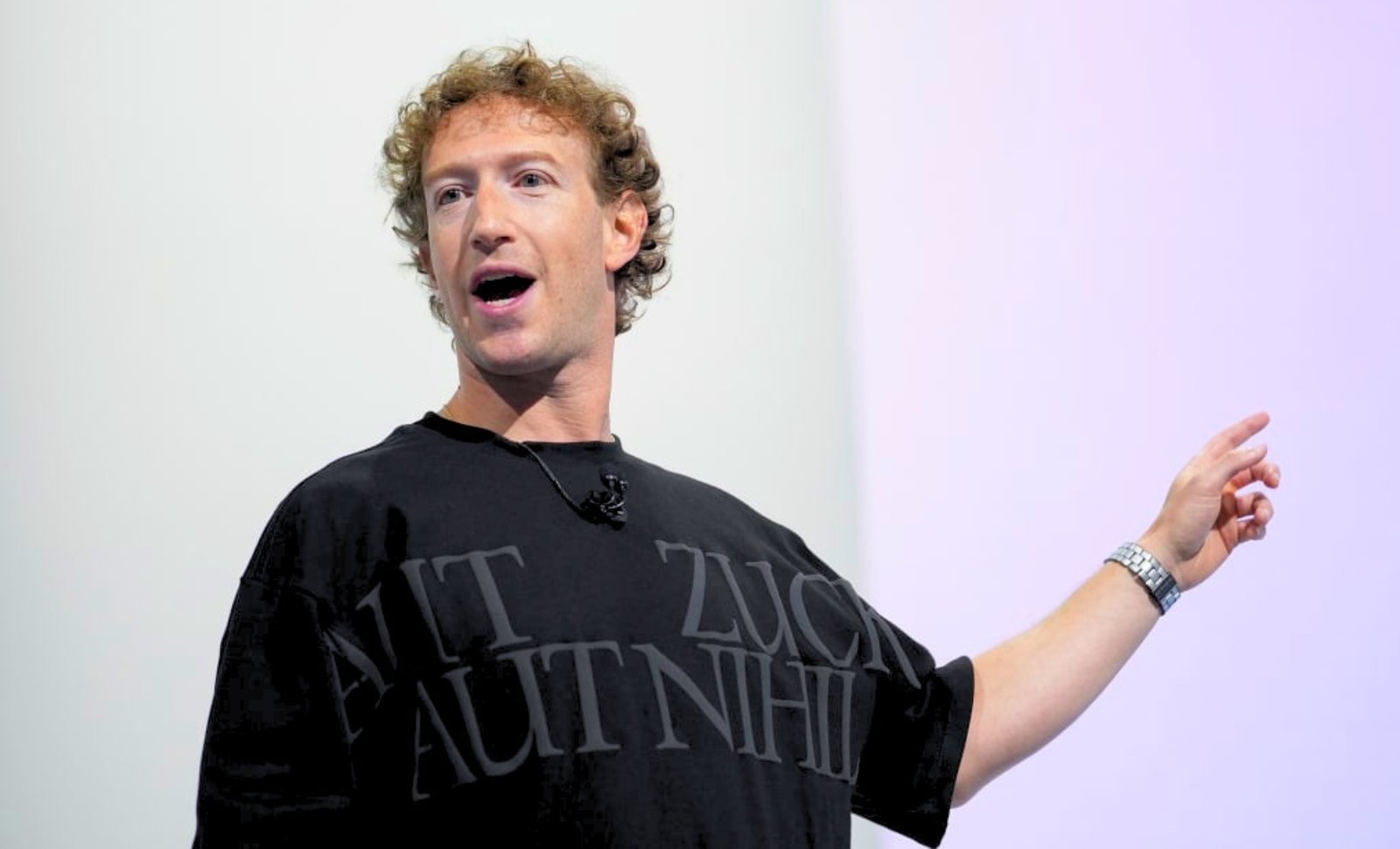
During a recent meeting at the Menlo Park campus, high-definition screens displayed a face every employee knew by heart. The figure moved with a familiar rhythm, blinking at precise intervals and using the hand chops that define the founder’s public speaking style. Observers noted none of the stiffness common in digital avatars. The software mirrored the slight squint and relaxed posture of a person who has spent decades under a spotlight.
The staff were not watching a live feed from upstairs. They were interacting with a software construct designed to respond in real-time. It fielded questions about engineering goals and delivered answers that aligned with the company line. The system bridges a gap between a global workforce and its increasingly remote leader.
The software parsed technical inquiries with a vocabulary tailored to Meta’s specific culture. When faced with difficult questions about budget cuts and product shifts, the tone remained calm and analytical. By creating a proxy for the man at the top, Meta is testing whether any department really needs to be far from the source of core strategy.
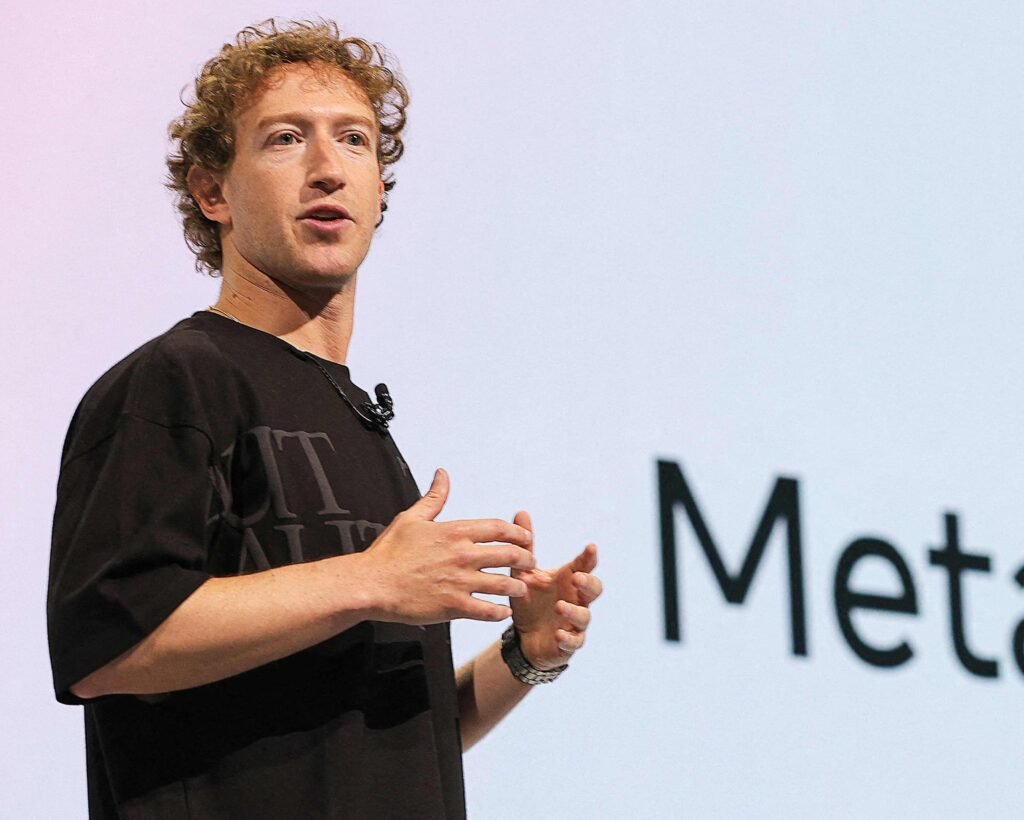
Mark Zuckerberg’s team is building a digital twin intended to simulate his daily operations. The software is a functional extension of his role, designed to handle responsibilities that would otherwise require his physical attendance. It is a first step toward scaling a leader’s influence through code.
The system relies on an architecture that integrates the latest Llama models with a vast repository of historical data. To achieve this level of fidelity, the development team analyzed thousands of hours of video to map out facial expressions and speech patterns. According to international reports, the project creates a version of the CEO that can appear in different global offices at once. The goal is clear: ensure his instructions reach every team without the static of middle management.
Simulating the Decision Process
This project moves beyond visual mimicry. It attempts to digitize the founder’s decision-making patterns. By feeding the software internal memos, strategy documents, and past board minutes, the team built a model that predicts how the founder might rule on a specific conflict. The aim is a digital proxy that replicates a style of thinking, not just a style of speaking.
The system uses a proprietary method for generating a synthetic voice that avoids the flat sound of standard assistants. As detailed by The Verge, the AI adjusts its tone based on the emotional context of a conversation. It can deliver feedback in a manner that feels authentic to the recipient. This focus on presence aims to make the digital version feel less like a tool and more like a teammate.
If a software agent can reliably simulate a leader’s priorities, the need for that leader’s body in a chair fades. The company inches toward a model where a template of the founder governs a network of digital proxies. The human remains at the center while the digital self handles the periphery.
Managing the Organization
The Financial Times noted that building a tool to help manage a multi-billion dollar enterprise requires mapping the nuances of resource allocation. By offloading administrative tasks, the human executive can focus on high-concept work and external relations. The AI handles the routine; the human provides new data for future training.
The Wall Street Journal confirmed the focus is an AI agent that acts as a bridge between the CEO and the expanding layers of the organization. This system filters internal requests and provides preliminary guidance based on past behavior. It represents a shift toward a more algorithmic form of governance. Consistency and speed take precedence over a slower chain of command.
Testing the Waters
The technology has moved into active testing. During a recent town hall meeting, staff members presented unscripted questions to the digital version of their boss. The software had to generate novel responses on the fly, a test of its ability to stay in character while providing useful information.
According to a report from The Guardian, the AI addressed sensitive topics ranging from product timelines to remote work policies. The software maintained the founder’s persona, using his preferred analogies and avoiding generic corporate speak. This consistency is vital for trust when the conversation involves code instead of a human.

As reported by Entrepreneur, the session also served as a stress test for handling dissent. Employees were curious about the limits of the AI’s authority. Did its decisions carry the same weight as an order from the actual founder? The clone’s presence forces a conversation about who is truly in charge when the boss is a line of code.
Privacy and the Long Game
Creating a believable double requires biometric data, raising questions about the long-term storage of a person’s digital essence. Meta positions these efforts as a necessary step for the Metaverse, where high-fidelity avatars will be the standard for professional interaction. The company believes quality digital representation is the key to making virtual work feel tangible.
The Zuckerberg twin also serves as a proof of concept for Meta’s new AI Studio platform, which allows creators to build their own digital proxies. In a post on Instagram, Zuckerberg outlined a vision where every public figure has an AI representative to handle routine community management.
By using himself as the test subject, the CEO signals a commitment to a future where generative AI underpins personal identity. The logistical advantages are significant. A twin can be present in a dozen virtual boardrooms at once. The clone is also being trained to interface with external partners, potentially attending preliminary briefings. This allows for a volume of engagement no human could sustain.
The software evolves daily as new data from the founder’s actual meetings feeds into the model. This keeps the digital version in lockstep with the real person. For now, Meta confirms the AI clone is restricted to internal testing and specific creator demonstrations to ensure the technology meets safety standards.

Farid Amber is a Canada-based writer and Editor-in-Chief who covers technology, space, and the environment. With a strong technical background, he brings a clear and practical perspective to stories about innovation, science, and the future of our planet.
His education includes a diploma in Applied Science, a master’s degree in Industrial Electrical Engineering, and a diploma in Electromechanical Automated Systems. This gives him a deep understanding of how modern technologies work, from complex engineering systems to the ideas driving new discoveries.
As Editor-in-Chief, Farid focuses on making complex topics easy to read, accurate, and meaningful. His goal is to help readers understand not only what is happening in the world of science and technology, but why it matters.


Leave a Reply