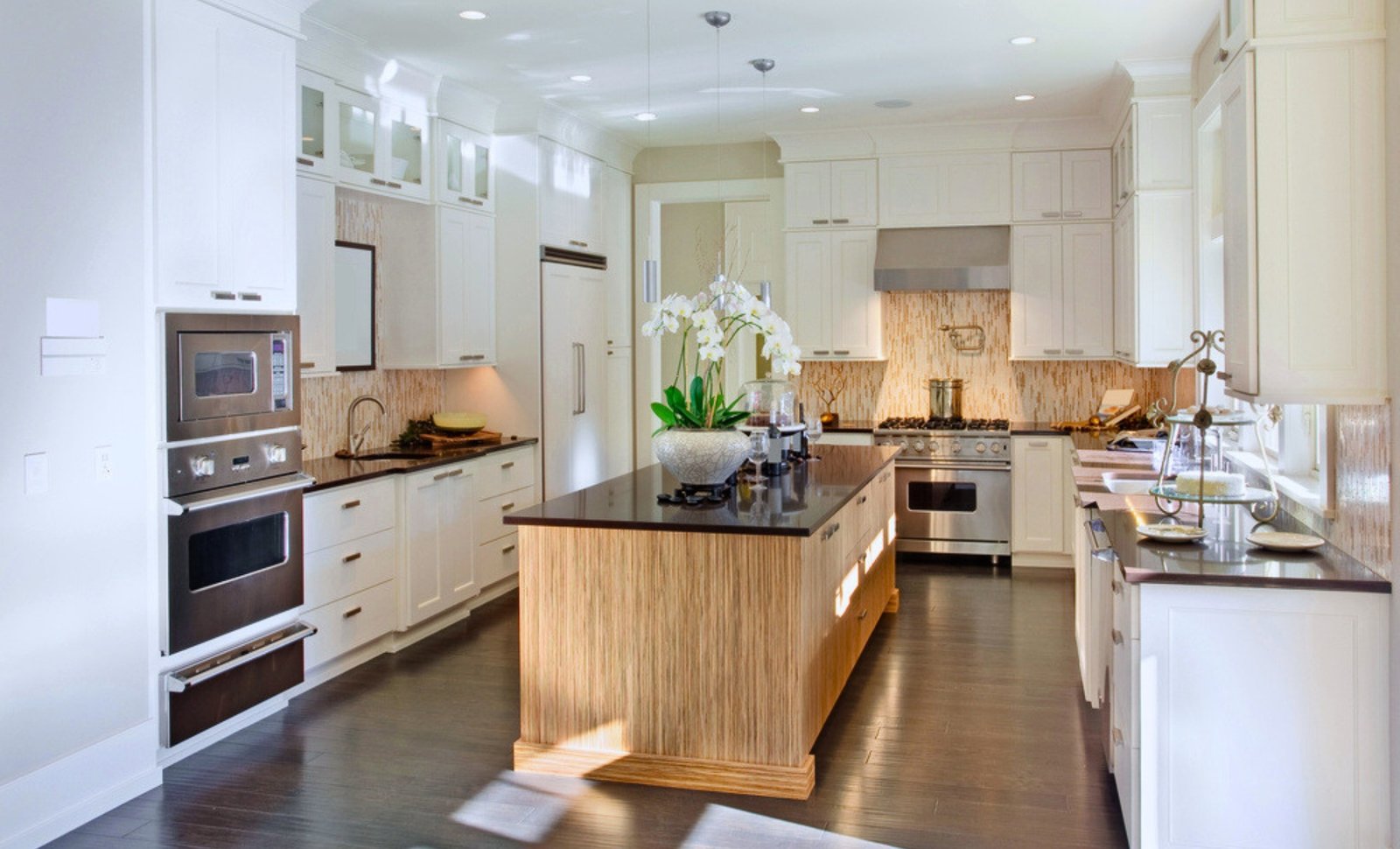
For nearly eighty years, a single geometric principle dictated the flow of the American home. The “work triangle”—the rigid path connecting the refrigerator, sink, and stove—stood as the ultimate metric of industrial efficiency. Devised in the 1940s at the University of Illinois, this model treated the home cook as a cog in a high-output factory environment.
As we cross into 2026, that geometry is fracturing. The kitchen has outgrown its role as a solitary workshop; it is now a high-traffic intersection for professional labor, social life, and culinary trial. This shift marks the most profound architectural pivot in residential design since the arrival of indoor plumbing.
Investigative data suggests the triangle is giving way to a fragmented, decentralized system. The mid-century model, built for a single user, simply cannot sustain the multi-participant reality of modern life. What we are witnessing is a total reclamation of the home’s most expensive square footage.
The change isn’t merely a matter of taste. It is a calculated response to how modern families actually live. We are exiting the era of “efficiency first” and entering an age of spatial fluidity. This transition reflects a broader social movement toward integrated living that values human connection over the raw speed of food production.
The Ergonomic Collapse of the 1940s Model
The primary catalyst for this overhaul is the surge in multi-generational living. According to the National Kitchen & Bath Association (NKBA), over 65% of new kitchen renovations now prioritize “zoning” over the legacy triangle. Designers are stripping away the old three-point plan to install distinct stations for prep, cooking, and cleanup that function without collision.
Data from the US Census Bureau tracks a 15% rise in multi-adult households over the last decade, a demographic shift that demands a kitchen capable of supporting several cooks at once. Designers like Sarah Ferreira report a spike in commissions for bespoke interiors that dismantle traditional bottlenecks. The goal is no longer to move one person quickly, but to move four people gracefully.
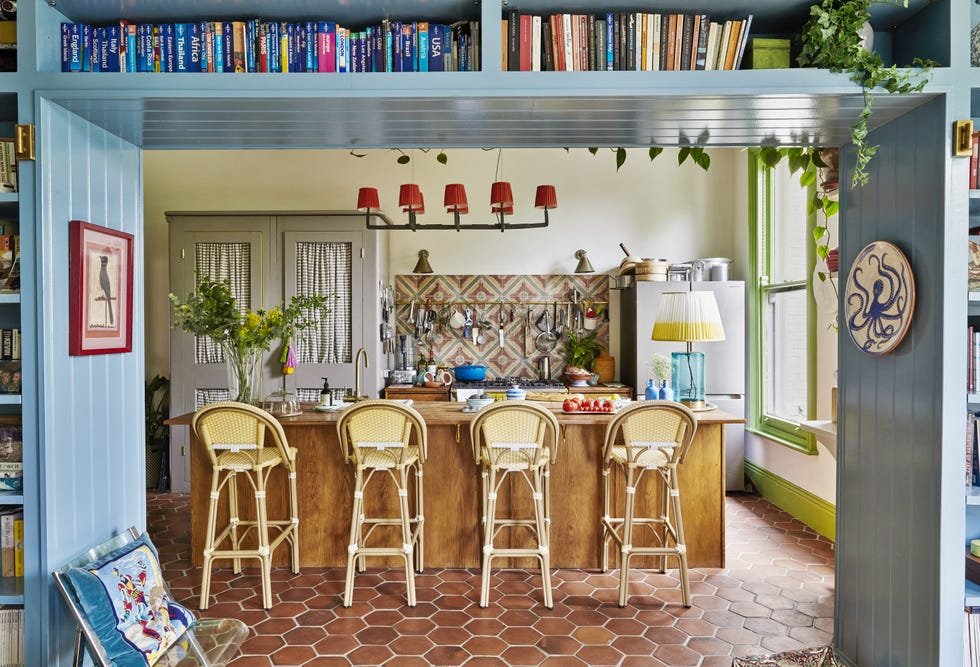
Peer-reviewed research in the Health Environments Research & Design Journal confirms that traditional layouts often create “friction points” that elevate domestic stress. By abandoning the triangle, architects can widen thoroughfares and introduce secondary “prep zones,” fostering a more intuitive culinary choreography.
“We are moving away from the kitchen as a machine for cooking and toward the kitchen as a living ecosystem,” says Dr. Elena Vance, a researcher in architectural psychology. “The triangle was engineered for a world of single-tasking and domestic isolation—a world that has vanished.”
The Rise of Zonal Architecture and Social Hubs
The emerging standard, documented in recent reports on 2026 kitchen trends, is the social hub. This layout relies on specialized zones for coffee, baking, or cocktails, often anchored by massive islands. These structures function as the new hearth, where food preparation blends with remote employment and hosting.
This movement reacts against the “open-plan fatigue” that defined the early 2000s, where a lack of walls created acoustic and visual clutter. Modern zonal design employs subtle cues—shifts in floor material, varying ceiling heights, or “broken plan” shelving—to define spaces without erecting barriers. It is a sophisticated play between communal access and private focus.
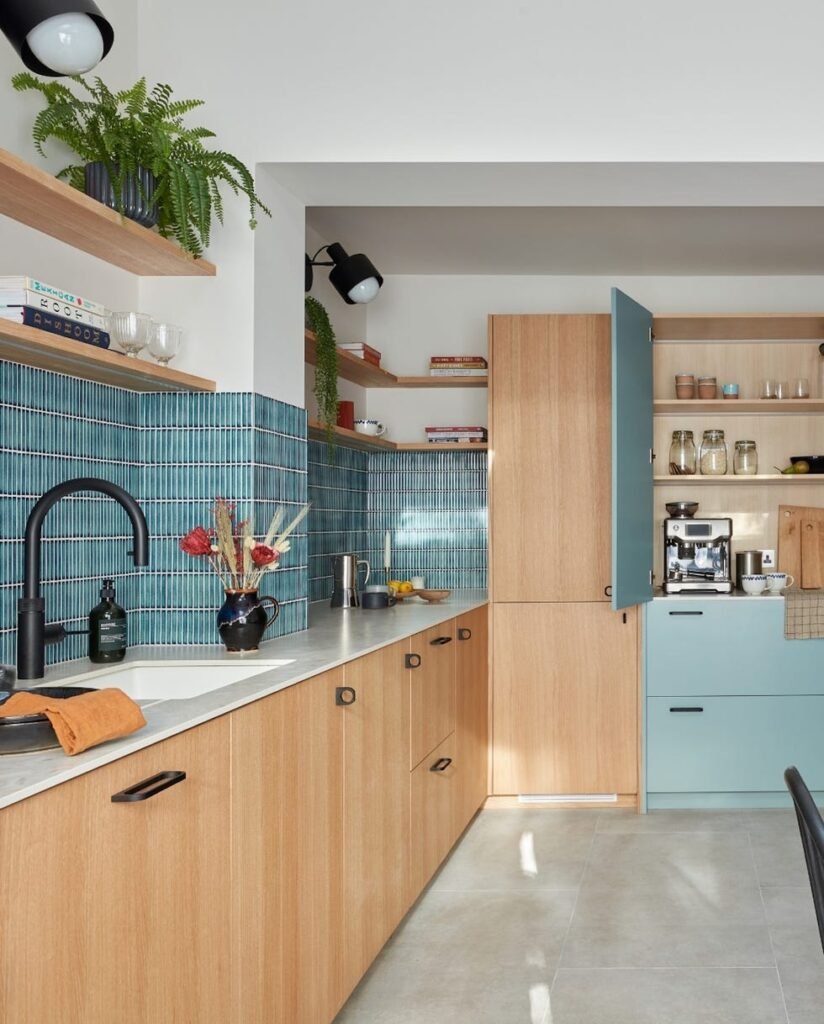
High-end developments now weave biophilic elements and sustainable materials directly into these zones. The priority has shifted from the “fast-fashion” renovations of the past toward longevity and physical wellness. This involves selecting durable, high-performance surfaces that can endure the high-frequency demands of a multi-purpose room.
“The demand for user-centric design has reached a tipping point,” notes Sarah Ferreira, who focuses on high-functioning residential builds. “People no longer want their homes to follow a generic template; they want a space that mirrors their specific, often complex, daily habits.”
Smart Automation and the Invisible Kitchen
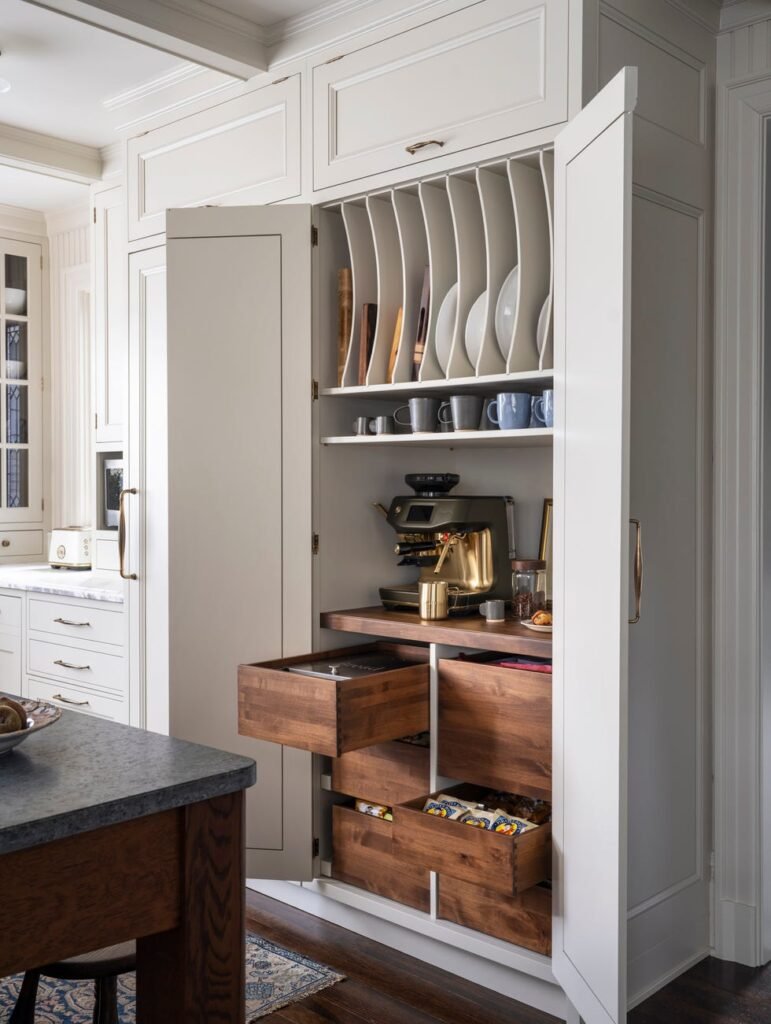
The most disruptive force in this redesign is the arrival of smart automation. As appliances become more autonomous and self-monitoring, the need to cluster them in a tight formation evaporates. We are seeing the rise of “distributed” infrastructure—refrigerator drawers tucked into prep islands and secondary dishwashers hidden in butler’s pantries.
These integrated appliances frequently disappear behind custom cabinetry, achieving the “invisible kitchen” aesthetic. This allow the cooking area to merge seamlessly with the living room, stripping away the industrial hardware that once signaled a “work zone.” It is a strategy that favors a calm, neutral environment capable of shifting from a morning office to an evening lounge.
Advanced acoustic management and circadian lighting are now foundational to these zonal frameworks. These technologies modulate the sensory output of the home, ensuring a running blender doesn’t drown out a nearby professional call. This holistic method treats the kitchen as a psychological environment rather than just a plumbing footprint.
The momentum toward these technical, human-focused spaces is only increasing. Homeowners are showing a newfound willingness to invest in the specialized infrastructure required to support their unique routines. This signals a permanent retreat from the “one-size-fits-all” suburban planning that dominated the last century.
The death of the kitchen work triangle is not a fleeting trend; it is a structural realignment of the domestic sphere. As the lines between labor, rest, and leisure continue to blur, the home must become more agile. The rigid geometry of the 1940s is being replaced by an intuitive, fragmented layout that finally acknowledges the complexity of modern existence.

Ghiles Houari is a writer based in Algeria with a technical background in applied science and industrial electronics. He is naturally curious about how things work, from everyday technology to the systems and ideas shaping the modern world.
With his hands-on technical training, Ghiles brings a practical and thoughtful perspective to his writing. He focuses on making science, technology, electronics, and innovation clear, interesting, and easy to understand.
For him, good writing is not just about explaining facts — it is about helping readers see why they matter.



Leave a Reply