Scientists Discover Dense Marine Life Growing on Leaking WWII Weapons Hidden Deep Beneath the Baltic Sea Floor
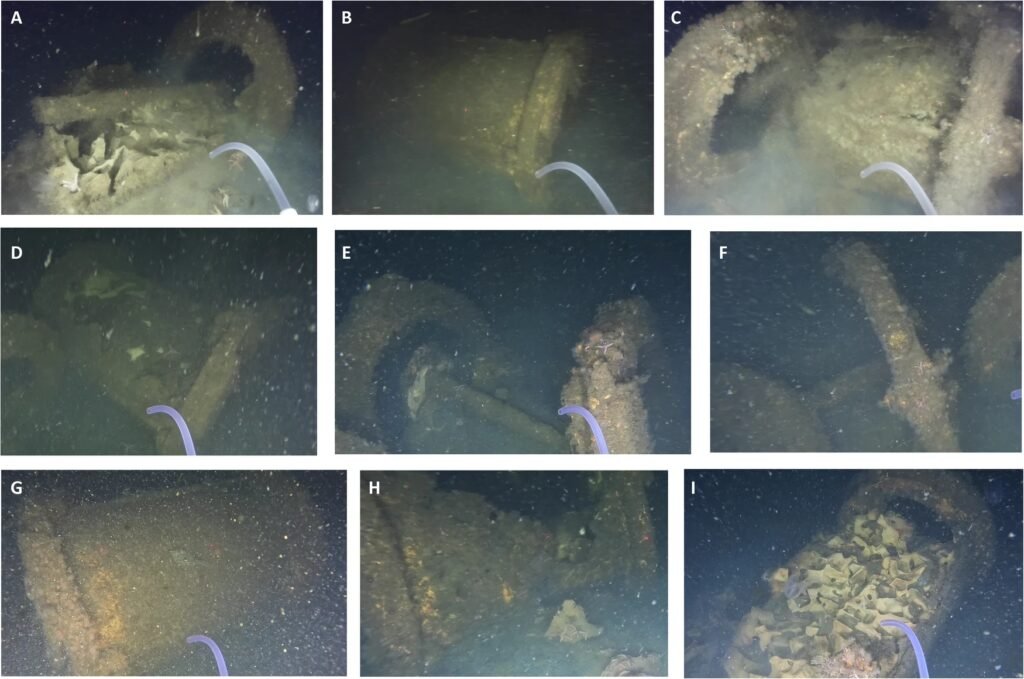
Scientists have documented that WWII munitions resting on the seafloor are both leaking chemical compounds and serving as surfaces where marine organisms attach and grow. The findings come from direct observations of corroding underwater weapons in Germany’s Bay of Lübeck, where researchers examined how marine species were distributed on and around the objects. In the study published in Nature Communications Earth & Environment, the submerged munitions were described as active structures within the marine environment rather than inactive debris.
Researchers recorded organism densities of more than 43,000 individuals per square meter on the munitions. By comparison, surrounding sediment supported about 8,000 individuals per square meter. This difference shows that the presence of hard surfaces on the seabed significantly changes how marine life distributes itself.
The first observations from the study are direct. Marine organisms are present on the weapons in large numbers, and explosive-related compounds are still being detected in nearby water. These two conditions exist at the same time in the same locations.
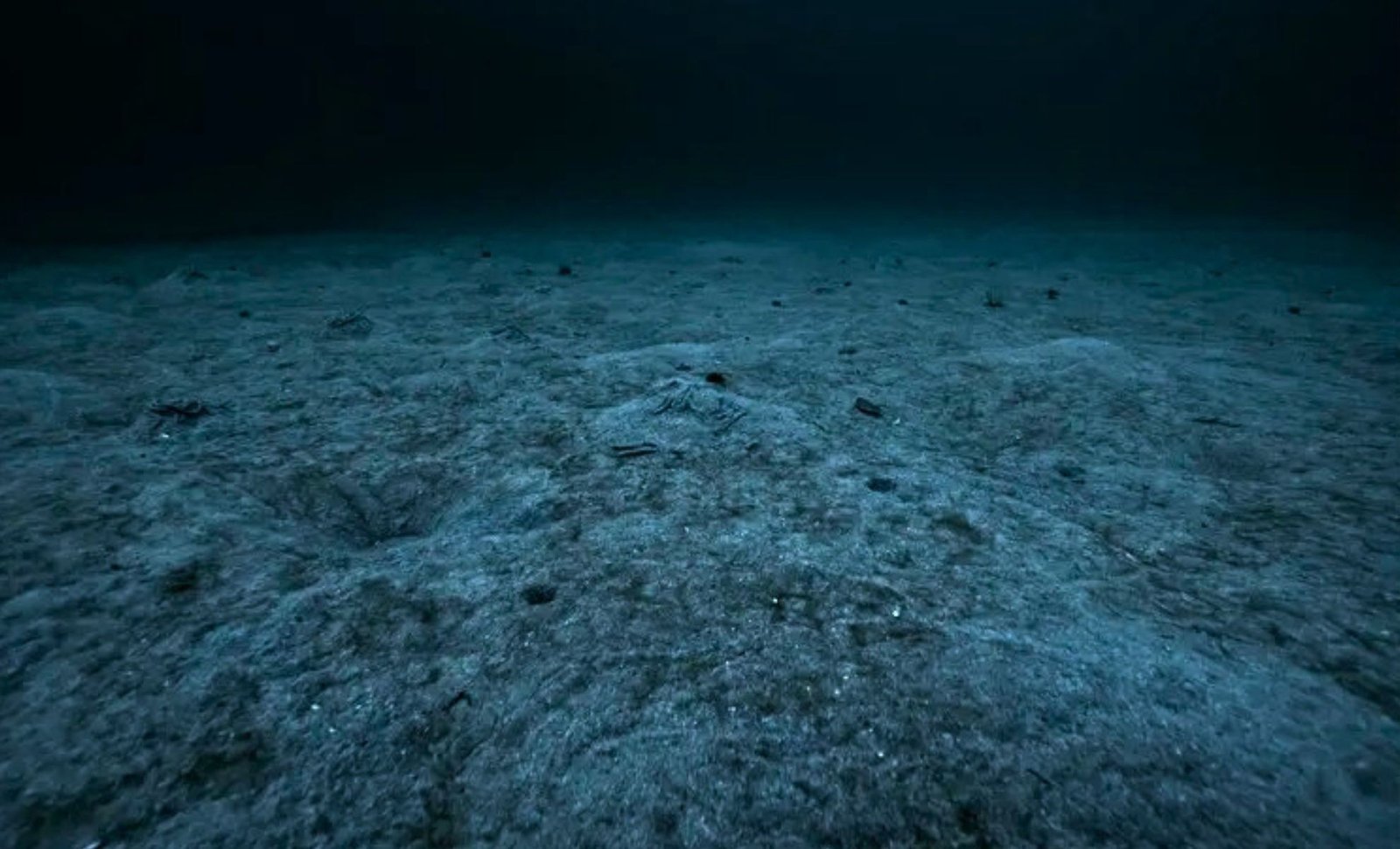
The study area consists largely of soft sediment seabed with limited structural variation. In that environment, any solid surface becomes a focal point for biological activity. The munitions provide that structure, which helps explain the concentration of organisms observed.
A Large Quantity of Submerged Ordnance
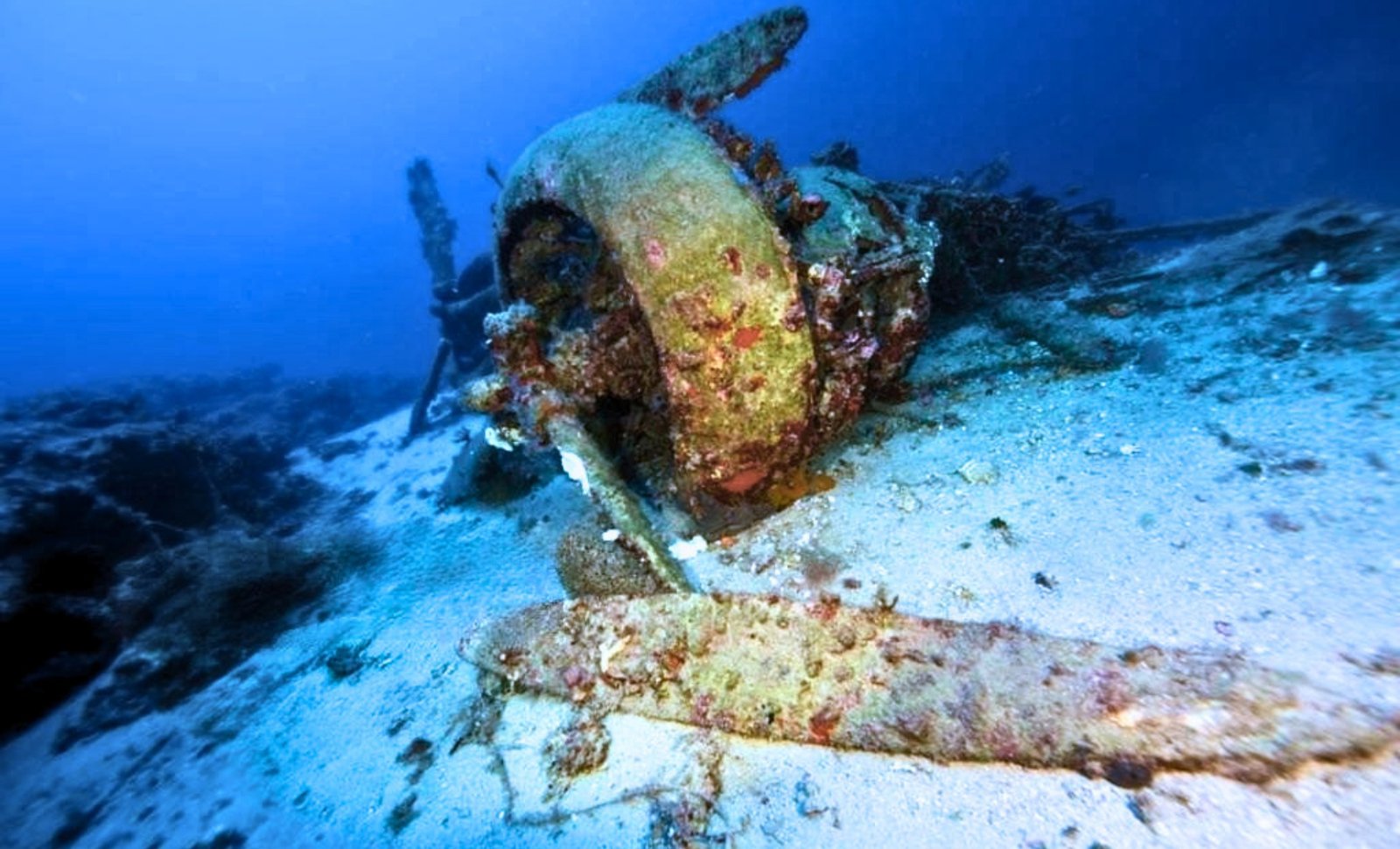
After World War II, large amounts of unexploded ordnance were intentionally disposed of in marine environments. These materials remain on the seabed decades later, particularly in European waters. The Baltic and North Seas contain some of the highest concentrations of these remnants.
Estimates indicate that about 1.6 million tons of underwater munitions are still present in German waters. These include bombs, shells, and other explosive devices that were discarded after the war. Over time, their metal casings have continued to degrade.
As corrosion progresses, compounds associated with TNT contamination are released into surrounding water and sediment. This means that the contents of the weapons are no longer fully contained. The degree of exposure varies depending on the condition of each object.
A broader overview of monitoring and cleanup efforts is described in Ocean News, which outlines ongoing assessment of underwater ordnance sites and their environmental conditions.
Hard Surfaces in Soft Seabeds
Much of the Baltic Sea floor is composed of fine sediment, which limits stable attachment points for marine organisms. In such conditions, hard surfaces are relatively rare and can support different types of biological growth.
The munitions provide these surfaces, effectively acting as artificial habitat within the marine environment. Their structure allows organisms to settle, attach, and remain exposed rather than being buried by sediment movement.
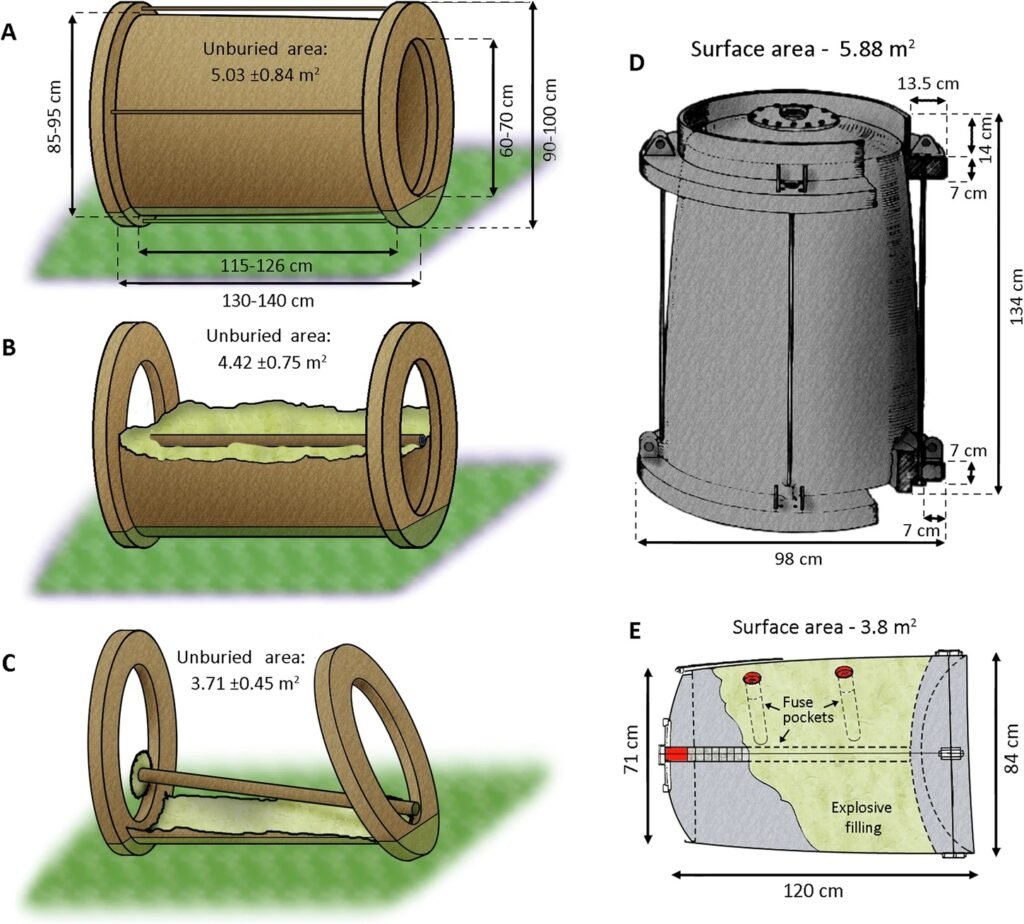
Researchers identified eight species associated with the submerged weapons. These included mussels, crustaceans, anemones, and polychaete worms, all of which were observed using the munitions as attachment points.
One commonly recorded species was Polydora ciliata, a marine worm known for inhabiting solid substrates. Its presence illustrates how certain species are adapted to take advantage of available hard surfaces in sediment-dominated environments.
Marine Life Was Not Spread Evenly
The study found that marine organisms were not evenly distributed across all parts of the munitions. Some sections supported dense clusters of life, while others had noticeably fewer organisms.
Areas where explosive material was directly exposed tended to show lower levels of colonization. In contrast, intact or partially corroded metal surfaces supported much higher densities of marine life.
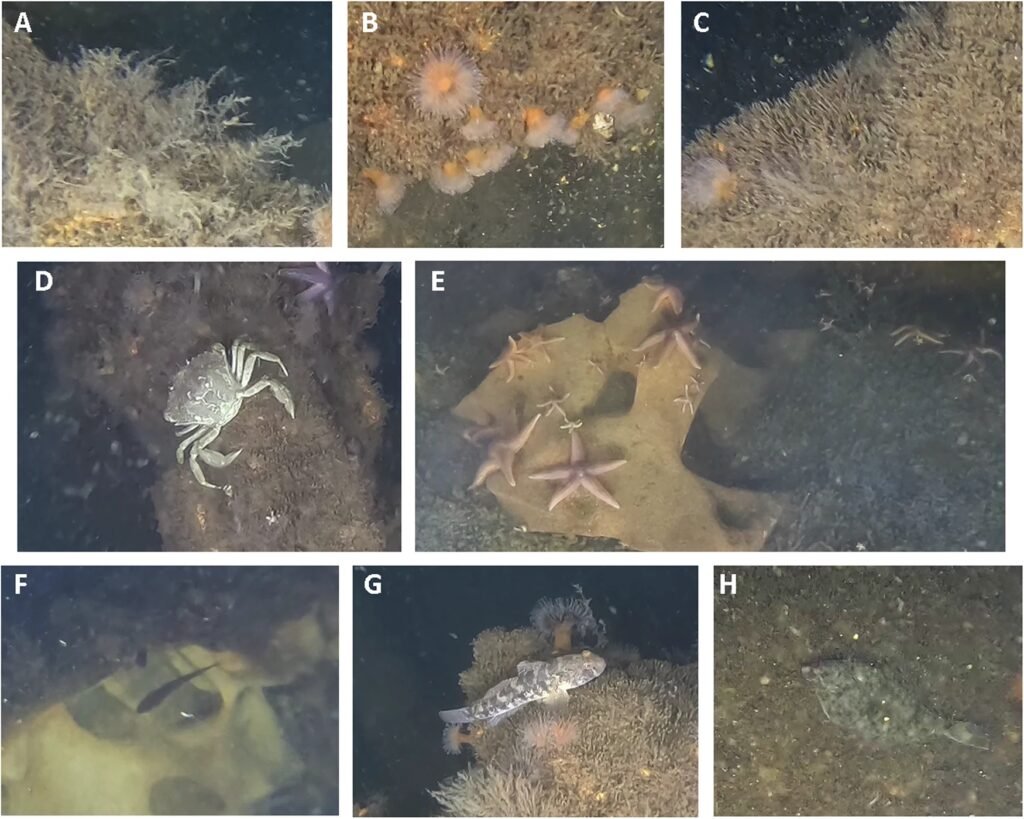
This variation indicates that surface condition plays a role in determining where organisms settle. Not all parts of the same object provide equally suitable conditions for growth.
Additional observations reported in Popular Mechanics describe similar patterns, including the presence of crabs, fish, and anemones around submerged wartime weapons.
Chemical Compounds Were Detected Nearby
Water samples collected near the munitions contained measurable levels of explosive-related substances. These compounds are associated with the breakdown of materials inside the weapons as corrosion continues.
The presence of these substances confirms that chemical leakage is ongoing at these sites. The release occurs gradually as the outer casings weaken and internal contents are exposed.
Concentration levels varied depending on location. Higher levels were detected closer to areas where corrosion had progressed further and where explosive materials were more exposed.
These measurements provide direct evidence linking the physical condition of the munitions to the amount of chemical material entering the surrounding water.
Monitoring and Removal Activity
Efforts to address underwater munitions now include pilot UXO clearance operations combined with scientific monitoring. These projects are designed to evaluate both contamination levels and environmental conditions at affected sites.
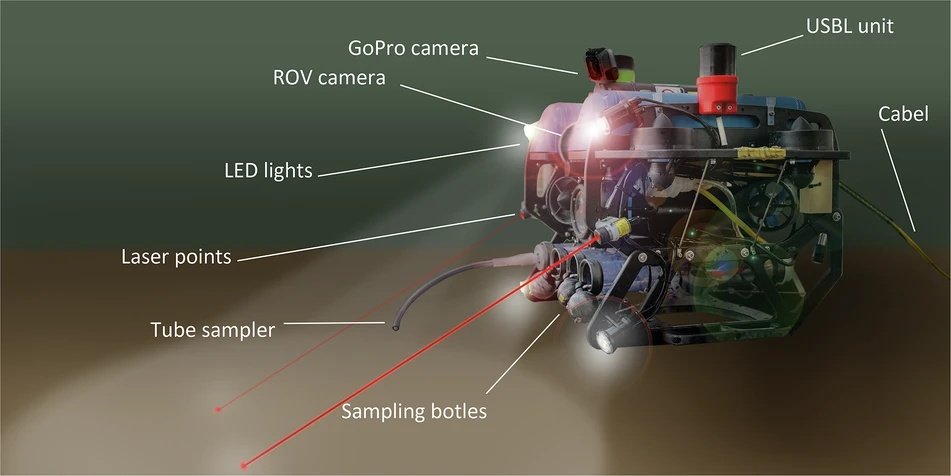
Researchers are using multiple methods, including water analysis, sediment sampling, and underwater imaging. These approaches allow them to document both chemical presence and biological activity in detail.
The monitoring work tracks how conditions change over time, including before and during removal operations. This provides data on how disturbances affect both the environment and marine life.

Related Posts

This Everyday Drink Could Be Accelerating the Aging Process in Your Cells—Scientists Uncover What Really Happens Inside Your DNA

7, 8, or 12 Hours? New Expert Data Reveals the Sleep You Truly Need by Age—Most People Are Off Track