Cholesterol, Stroke, Heart Attack: This New Pill Could Save Your Life!
A promising new medication for high cholesterol has demonstrated potential to save lives at risk of heart attacks and strokes. In a groundbreaking international clinical trial, researchers have revealed that obicetrapib, an oral medication, could significantly lower cholesterol levels, offering a new treatment option for patients who have struggled with current therapies.
High Cholesterol and Cardiovascular Risks
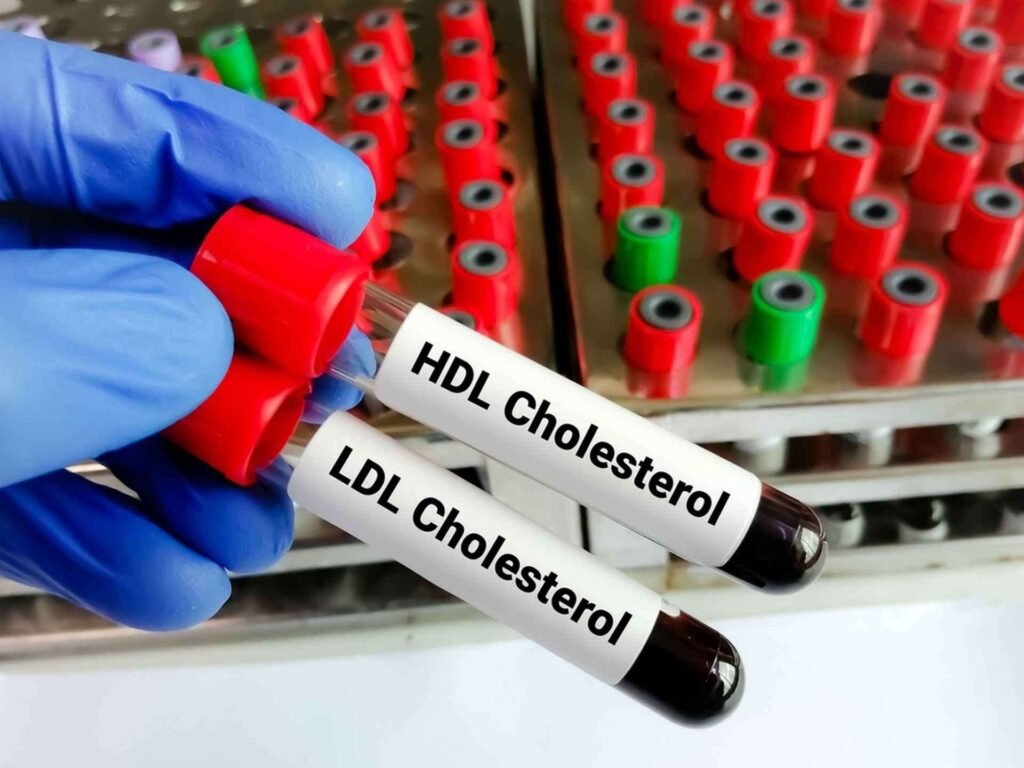
In France, more than one in five adults is affected by high cholesterol, as highlighted by the Esteban study conducted by Santé publique France. Cholesterol is a type of lipid in the blood that is vital for cell function but can pose a serious health risk when levels become too high. LDL cholesterol, often called “bad” cholesterol, is particularly harmful because it can contribute to plaque buildup in arteries, increasing the likelihood of heart attacks and strokes.
Despite the availability of various cholesterol-lowering treatments, many individuals still struggle to achieve the necessary cholesterol reduction. These patients may adhere strictly to prescribed medications and maintain a healthy diet, but their cholesterol levels remain stubbornly high. For these patients, the recent discovery of obicetrapib offers hope.
Clinical Trial and Results
In a large-scale clinical trial published in the New England Journal of Medicine, obicetrapib was administered to more than 2,500 patients at high cardiovascular risk. The trial aimed to assess its effectiveness in lowering cholesterol, particularly LDL cholesterol and lipoprotein(a), a lesser-known but critical marker linked to cardiovascular disease.
The results were striking: after 12 weeks of daily treatment with obicetrapib, patients experienced a 32.6% reduction in LDL cholesterol, alongside a 33.5% decrease in lipoprotein(a) levels. This dual action is a key feature of obicetrapib, as most current treatments primarily focus on reducing LDL cholesterol but have limited effectiveness on lipoprotein(a).
Liprotein(a) is a substance that, while still not widely understood, is strongly associated with the increased risk of heart disease and strokes. Unlike LDL cholesterol, lipoprotein(a) has not been directly targeted by many previous medications, making obicetrapib’s ability to address both cholesterol issues particularly significant.
Researchers note that those with high levels of both LDL cholesterol and lipoprotein(a) are at the highest risk of cardiovascular events. The fact that obicetrapib targets both abnormalities could be the key to significantly reducing these risks.
Further Evidence of Efficacy
The success of obicetrapib was further bolstered by another randomized clinical trial published in The Lancet. In this study, researchers tested the effects of combining obicetrapib with ezetimibe, a medication already known for its cholesterol-lowering effects. The combination of obicetrapib (10 mg) and ezetimibe (10 mg) was given to over 400 patients with familial hypercholesterolemia or those at high cardiovascular risk.
The results of this combination therapy were even more impressive. The combination treatment led to a 48.6% reduction in LDL cholesterol over 84 days, compared to just 31.9% with obicetrapib alone and 20% with ezetimibe alone. These findings suggest that obicetrapib in combination with ezetimibe could provide an even more powerful tool in lowering cholesterol in patients who have not seen sufficient results from standard treatments.

Researchers also noted that the combination treatment was well tolerated by patients, with side effects similar to those seen when taking the medications individually. This suggests that obicetrapib and ezetimibe together could offer a safer and more effective alternative for patients who have been unable to control their cholesterol with other medications, such as statins.
Implications for Cardiovascular Disease Treatment
The results of these studies point to a promising new option for those who have not responded to traditional treatments. The obicetrapib and ezetimibe combination could provide a more comprehensive solution for controlling both LDL cholesterol and lipoprotein(a), which is particularly critical for high-risk patients.
The ability to address both of these cholesterol markers in a single treatment could lead to a more effective and easier regimen for patients who have previously struggled with multiple medications. Moreover, for patients who are intolerant to statins, which are the most commonly prescribed cholesterol-lowering drugs, obicetrapib could offer a much-needed alternative.
Despite these promising results, experts caution that further long-term studies are needed to confirm the efficacy and safety of obicetrapib, particularly in preventing major cardiovascular events like heart attacks and strokes. These studies will help determine if the initial findings hold up over time and whether the drug can have a meaningful impact on reducing heart disease in the wider population.
Next Steps in the Research
Researchers involved in the studies have stressed that while the findings are highly encouraging, it is important to continue testing obicetrapib over a longer period to assess its long-term effects. One key area of focus will be the drug’s impact on reducing major cardiovascular events.
The drug’s dual action in reducing LDL cholesterol and lipoprotein(a) makes it a potential game-changer in treating patients with a higher risk of heart disease. For patients who struggle with current therapies, this new treatment could offer a lifeline. However, confirming its safety and efficacy in a real-world setting, over the course of several years, will be critical before it can become widely available.
Researchers are optimistic about the future of obicetrapib, but they remain cautious, emphasizing the need for more research to establish the true potential of this drug in improving cardiovascular health and reducing the risk of life-threatening events like heart attacks and strokes.

Related Posts

This Everyday Drink Could Be Accelerating the Aging Process in Your Cells—Scientists Uncover What Really Happens Inside Your DNA

7, 8, or 12 Hours? New Expert Data Reveals the Sleep You Truly Need by Age—Most People Are Off Track