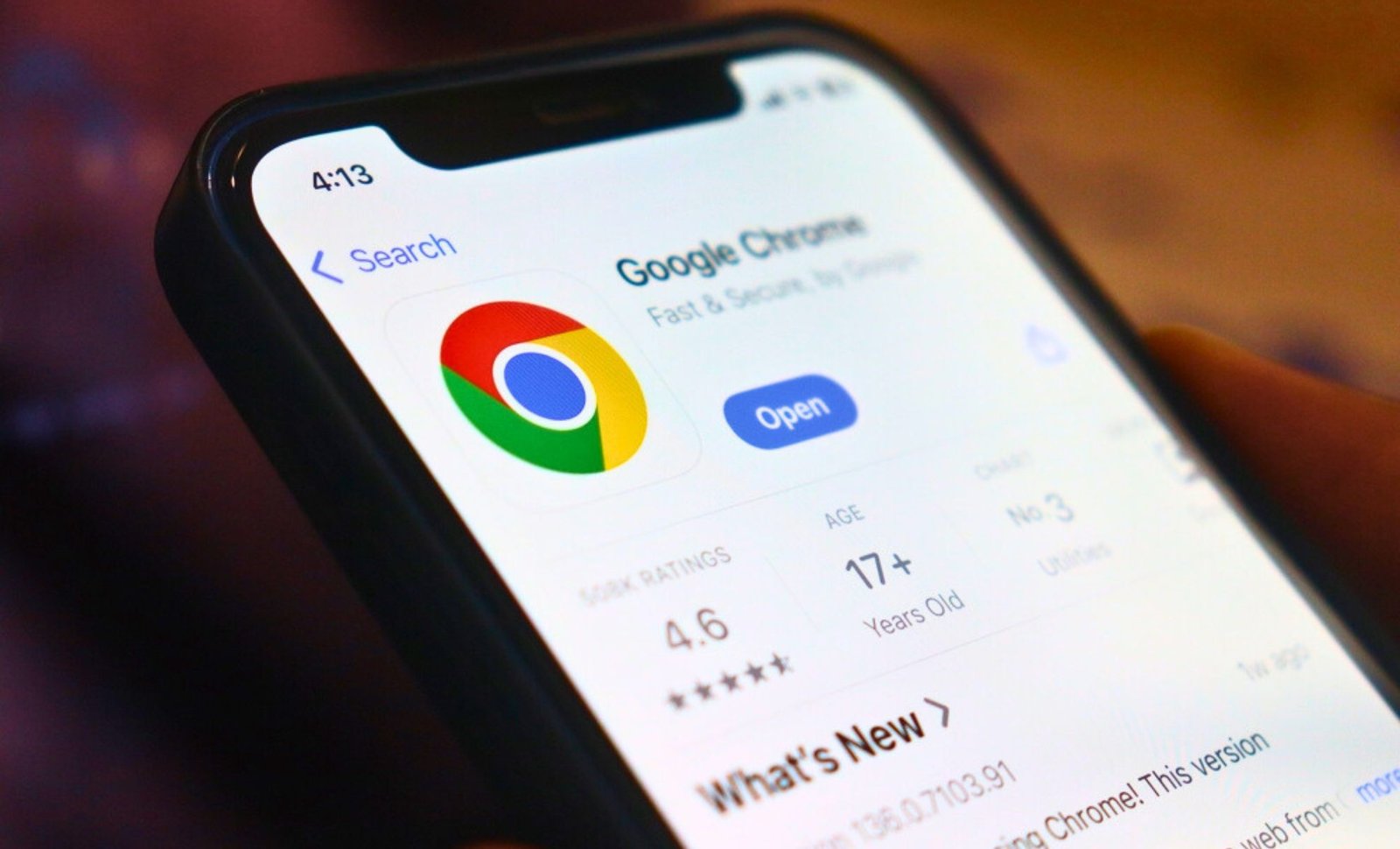
Apple Issues Urgent Alert to iPhone Users: Ditch Google Chrome or Risk Major Privacy Leaks
In a move that underscores the tech industry’s escalating tug-of-war over user privacy, Apple has quietly but firmly advised iPhone users to stop using Google Chrome on their devices. While this isn’t a formal ban or software restriction, the company’s message—delivered through a blend of documentation updates and developer notes—has started to ripple through the ecosystem.
First reported by Forbes, Apple’s rationale centers on a now-familiar narrative: data protection. According to the company, Safari, the default iOS browser, provides a significantly safer browsing environment than Google Chrome, especially in the context of Apple’s own ecosystem. And with Google Discover’s recent algorithm tweaks emphasizing privacy-first content and first-party data sources, the timing of this warning is no coincidence.
The move aligns with Apple’s longer-term strategic positioning. Over the past five years, Apple has steadily transformed privacy into a brand differentiator, from App Tracking Transparency to on-device Siri processing. The Chrome warning is another page in that playbook—one that could shape how mobile users perceive the digital tools they use every day.
Safari vs. Chrome: It’s Not Just About Speed
Though Google Chrome remains the world’s most-used browser, its dominance doesn’t extend without critique. Chrome’s integration with Google’s ad ecosystem has long raised red flags among privacy advocates, and Apple is now amplifying that concern to its massive iPhone base.
By contrast, Safari’s Intelligent Tracking Prevention (ITP) system, introduced in 2017 and updated regularly since, uses machine learning to limit third-party tracking and fingerprinting. A 2023 study by the University of Oxford’s Department of Computer Science found that ITP reduced cross-site tracking by over 80% compared to Chrome, which still supports third-party cookies by default in many regions.

Apple also touts its Privacy Report—a built-in feature that displays which trackers are blocked on each site. In an era where public trust in big tech continues to erode (as shown in Pew Research Center’s 2024 survey on data trust, where only 29% of Americans said they trust companies like Google with their personal data), that kind of visibility is increasingly valued.
Still, Chrome isn’t standing still. Google has promised to phase out third-party cookies entirely in 2025 and continues to work on the Privacy Sandbox, its much-debated suite of advertising APIs. But progress has been slow, partly due to regulatory scrutiny from the UK’s Competition and Markets Authority, which has expressed concerns over Google’s dominant role in digital advertising.
Ecosystem Integration Drives Behavior More Than Features
What makes Apple’s stance particularly potent is not just the security argument—it’s the way Safari plugs seamlessly into the Apple experience. Features like Handoff, iCloud Keychain, and Quick Note create an almost invisible feedback loop of convenience, making it harder for third-party apps, no matter how popular, to compete.
For users juggling iPads, MacBooks, and Apple Watches, the appeal of a browser that syncs across devices without friction is hard to ignore. Even Chrome’s strengths—like broader extension support or tighter Google Workspace integration—can seem less persuasive in a tightly integrated environment where Safari is baked into every process.
According to internal telemetry data reported by 9to5Mac, more than 70% of Safari users on iOS 17 never even attempt to switch default browsers, despite the OS now allowing it. For Apple, that inertia is a feature, not a bug.
Privacy as Strategy in an Age of Scrutiny
The shift also comes at a time when mobile privacy is becoming a global regulatory flashpoint. Europe’s Digital Markets Act, now in partial enforcement, explicitly targets gatekeeper platforms that “self-preference” their own services—language that could apply to Apple’s Safari-first approach. Yet Apple maintains that its design is user-focused, not anti-competitive.
Privacy experts have weighed in cautiously. “Apple has built a reputation around protecting data, and moves like this reinforce that narrative,” says Dr. Sarah Obermeyer, a digital rights researcher at ETH Zurich. “But as they double down on Safari, the transparency of their own practices will face increasing scrutiny too.”
Meanwhile, content platforms like Google Discover, which rely heavily on behavior data to surface personalized news feeds, are themselves adapting. Recent updates have rewarded sites that demonstrate strong privacy policies, low bounce rates, and clear first-party data practices, all of which intersect with Apple’s current positioning.

Related Posts

Adele Lost 100 Pounds Without Extreme Diets—The Simple, Science-Backed Steps That Turned Her Life Around

That Tiny Pocket on Your Jeans Isn’t Just for Decoration—Its Original Purpose Will Surprise You
