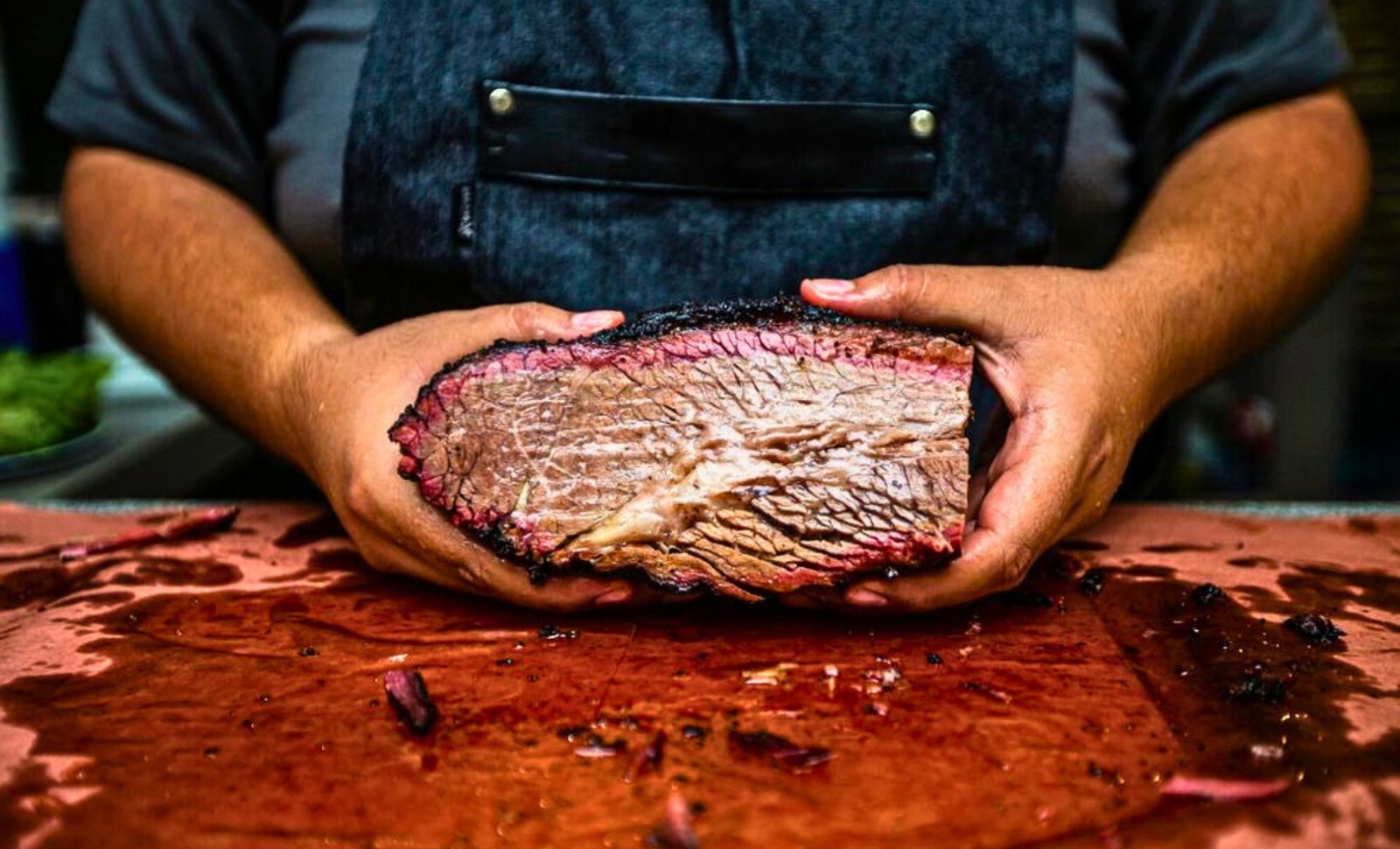
Carnivore Diet Meal Plan: What a Full Day of Eating Looks Like — Breakfast, Lunch, and Dinner
For years, high-protein diets like keto and paleo have dominated wellness conversations. But a newer, more extreme variant has captured attention across social media: the carnivore diet, which calls for eating only animal-based foods — often red meat, fish, eggs (and sometimes dairy) — while eliminating all plants. The simplicity of “just eat meat” can seem appealing to those weary of conflicting nutrition advice. Yet health experts say the diet’s effects are anything but simple.
The carnivore diet is gaining traction among certain wellness groups who claim improvements in energy levels, mental clarity, weight loss and autoimmune symptoms. But the scientific evidence remains thin, and researchers warn that eliminating entire food groups may carry unforeseen risks.
What the Carnivore Diet Actually Is
The carnivore diet is essentially a zero (or near-zero) carbohydrate plan centered entirely on animal products. According to Harvard Health Publishing: “The carnivore diet meal plan only allows consumption of meat, poultry, eggs, seafood, fish, some dairy products, and water.”
Vegetables, fruits, grains, legumes, seeds and nuts are completely cut out. Since carbohydrate intake is minimal or zero, the body shifts into a state similar to what happens in ketogenic diets.
Proponents of the diet argue humans evolved as primarily meat-eaters, and that plant foods may contribute to inflammation or digestive issues. The diet’s simplicity — one can “just eat meat and water” — furthers its appeal. The mainstream nutrition literature classifies this pattern as an extreme form of low-carb eating.

Carnivore Diet Food List
The carnivore diet gives a clear list of allowed foods to simplify grocery shopping and meal planning.
Beef
- Brisket
- Chuck roast
- Ground beef
- Steaks such as New York strip, ribeye, skirt, porterhouse, and T-bone
Chicken and Pork
- Chicken breast, thighs, drumsticks, and wings
- Rotisserie chicken
- Pork butt
- Pork chops
- Bacon
- Pork ribs
- Pork shoulder
Lamb
- Lamb chops
- Lamb shanks
- Ground lamb
Seafood
- Fish such as salmon, trout, and mackerel
- Clams
- Crabs
- Mussels
- Oysters
- Scallops
- Shrimp
- Lobster
Organ Meats
- Liver
- Kidneys
- Tongue
- Oxtail
- Heart
- Feet
- Cheeks
Foods to Eat in Limited Amounts
- Cheese
- Eggs
- Heavy cream
- Milk
- Yogurt
- Bacon
- Sausage
- Cured meats
Supporters often rely on high-fat cuts of meat to meet daily calorie needs. Water and salt are typically the only non-animal additions.
What the Research Says — and Doesn’t
Despite growing interest, robust clinical evidence on the carnivore diet itself is very limited. A self-reported survey of adults following a carnivore diet found “few adverse effects and instead reported health benefits and high satisfaction,” but also noted that cardiovascular disease risk factors were “variably affected”. The authors cautioned that generalisability and long-term outcomes are unknown.
Meanwhile, research on diets high in red and processed meats shows more consistent signals of risk. A large cohort study in Korea found that high intake of processed red meat was associated with increased all-cause mortality, and high intake of organ meat was associated with higher cancer mortality in women. (Frontiers)
Further, Harvard’s nutrition scientists describe the diet as “a terrible idea” for many people, noting that while weight loss may occur in the short term, long-term health consequences are unknown.
Key points:
- Eliminating fruits, vegetables and whole grains means sacrificing fiber, antioxidants, and nutrients linked with gut health and cardiovascular protection.
- Many studies link high intake of red and processed meat with increased risks of cancer, cardiovascular disease and mortality.
- Randomised controlled trials comparing red meat with other diets show inconsistent results for cardiovascular risk factors.
In short: short-term effects may be noticeable (weight loss, fewer carbs, simpler eating), but long-term safety and efficacy are unproven.
Short-Term Benefits, Long-Term Questions
Many who try the carnivore diet report fairly immediate results: weight loss, reduced cravings, and simpler meal planning. Some anecdotal reports say improved mood or energy. The self-report survey noted high satisfaction among participants.
However, several caveats apply:
- The data are largely anecdotal or based on self-selected survey populations.
- The diet lacks fibre entirely, which is important for gut microbiome health and cholesterol reduction.
- The elimination of entire food groups means potential nutrient deficiencies — for example in vitamin C, folate, and phytonutrients found in plants.
- Very few studies have tracked people on this diet for years.
- High intake of animal fats and no plants may adversely affect cholesterol, inflammation and cardiovascular risk — though direct evidence in carnivore diet-followers is lacking.
Until longer-term, controlled studies are available, nutrition experts urge caution.
Who It Might Suit — And When to Be Careful
There may be scenarios where the carnivore diet is used temporarily under medical supervision — for example, as an elimination diet for certain food intolerances, or for someone with severe carbohydrate intolerance who needs a short-term tool. But for most people, nutritionists would not recommend it as a long-term strategy.
If someone chooses to try it, experts advise periodic monitoring of lipids, kidney function and nutrient status. Dietitians also emphasise the importance of transitioning back to more balanced eating once the experiment ends.
According to Harvard’s overview, the diet “may help people lose weight in the short term”, but the lack of long-term data and potential risk of missing nutrients or harm to heart and gut health make it unsuitable as a long-term strategy for most.
The carnivore diet offers a bold and simple eating prescription that is appealing for its clarity. But simplicity does not equal safety. A longstanding body of research links high consumption of red and processed meat with increased disease risk.
Until more data emerge, redirecting attention to well-studied patterns may be wiser. Dietary frameworks such as the Mediterranean diet — rich in plants, moderate in lean proteins, and backed by decades of research — continue to be the most reliable path for long-term health.
Primary sources used:
- “What is the carnivore diet?” by Harvard Health Publishing. https://www.health.harvard.edu/nutrition/what-is-the-carnivore-diet
- Behavioral Characteristics and Self-Reported Health Status among Carnivore Diet Consumers (Lennerz et al., 2021). https://pubmed.ncbi.nlm.nih.gov/34934897/
- Total and cause-specific mortality associated with meat intake (Frontiers in Nutrition, 2023). https://www.frontiersin.org/articles/10.3389/fnut.2023.1138102/full
- Carnivore diet a “terrible idea” (Harvard T.H. Chan School of Public Health news release). https://hsph.harvard.edu/news/carnivore-diet-terrible-idea/