300 Sailors Torched Their Warship in 1742. Five Cannons Found 500 Yards from a Florida Solved a 282-Year-Old Mystery
National Park Service archaeologists have positively identified a sunken British warship that has rested off the Florida Keys for nearly three centuries. The wreck, first discovered in 1993 within Dry Tortugas National Park, is HMS Tyger, a 50-gun frigate that ran aground on a coral reef on January 13, 1742, during the War of Jenkins’ Ear between Britain and Spain. According to a National Park Service news release, the vessel was on patrol near Cuba when it struck the reefs. The collision stranded approximately 300 sailors on a remote island for more than two months.
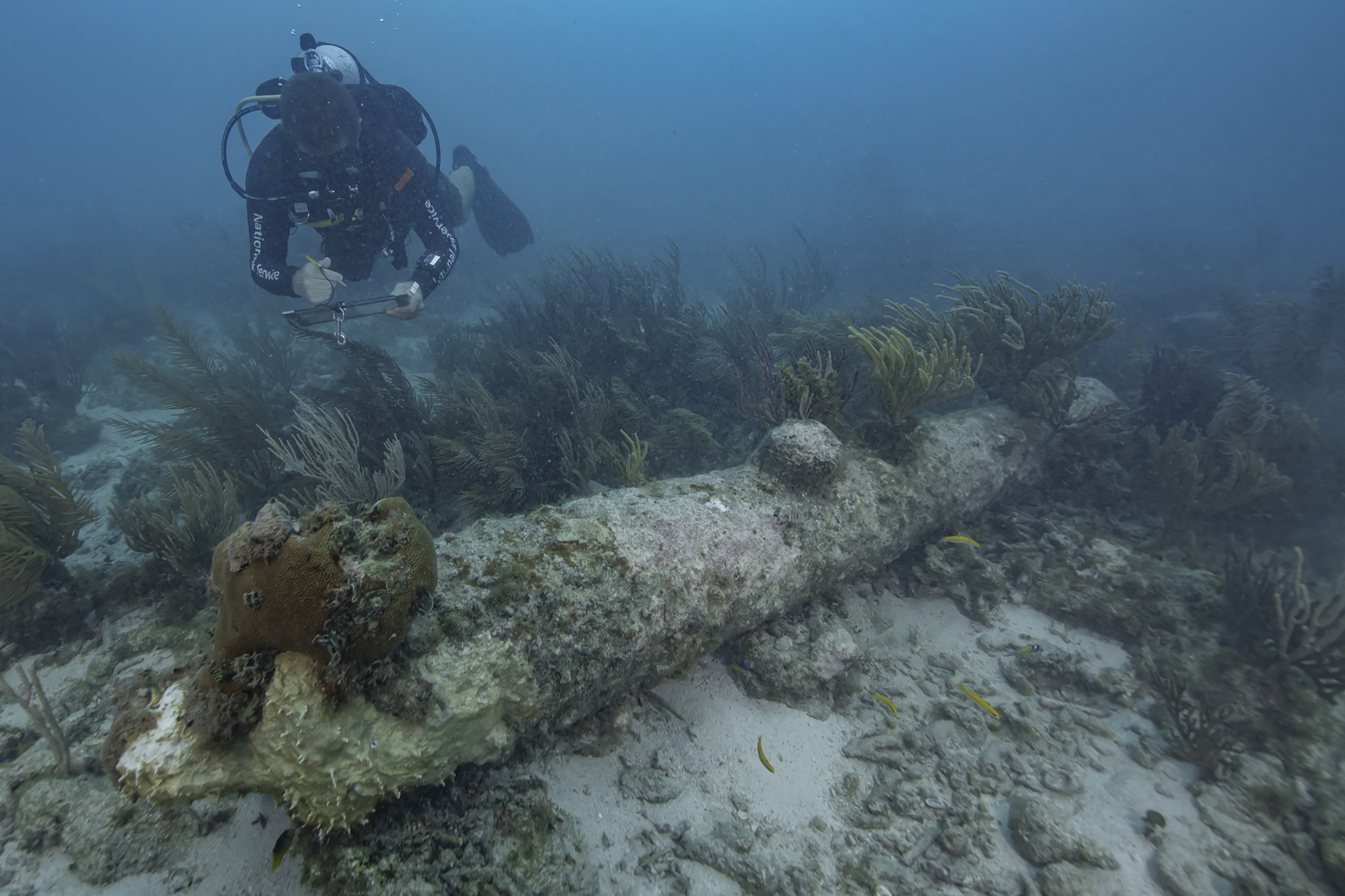
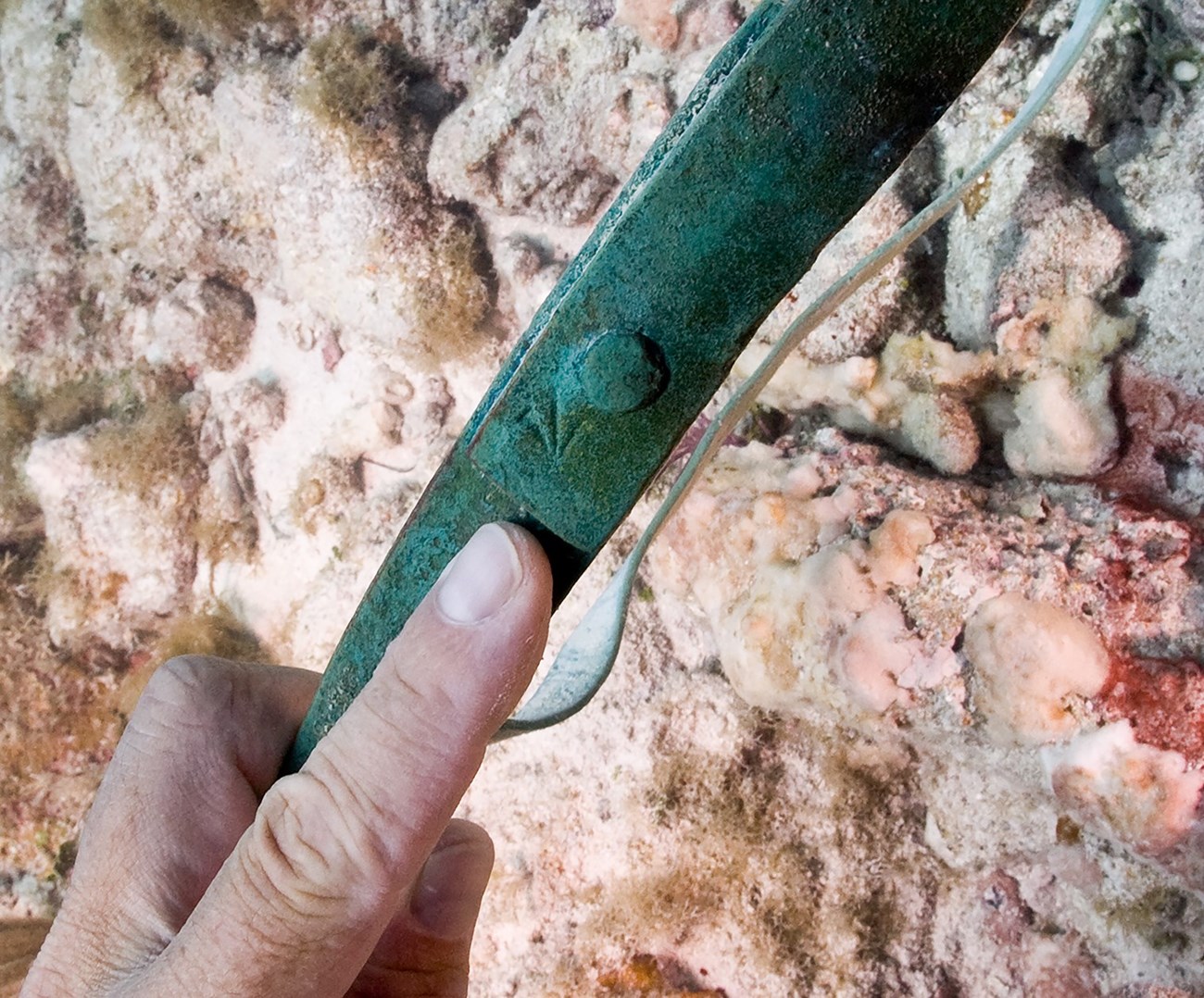
The identification hinged on five cannons discovered roughly 500 yards from the main wreck site during a 2021 archaeological survey. Buried in old logbooks was a reference describing how the crew “lightened her forward” after running aground to reduce weight at the bow. The guns, identified as British six- and nine-pound cannons, matched exactly what historical records described. Archaeologists from the Submerged Resources Center and Southeast Archeological Center combined this physical evidence with documentary records to make a definitive case.
The findings were published in the International Journal of Nautical Archaeology and represent decades of patient underwater research. The wreck site was known to officials since 1993, but connecting scattered remains to a specific vessel required improved survey technology and deeper archival work. Josh Marano, the maritime archaeologist who led the team, noted that preserving sites in place allows future researchers with better tools to reexamine evidence. The five cannons told a precise story, their size and location aligned perfectly with written accounts of the crew heaving guns overboard.
The Warship and Its Final Mission
HMS Tyger was constructed in 1647 and underwent multiple reconfigurations before its final patrol in Caribbean waters. At 130 feet long and weighing 704 tons, the Fourth-Rate vessel carried 50 cannons distributed across three separate decks. By 1741, the ship’s armament included six 6-pounder guns on the quarter deck, twenty-two 9-pounders on the upper deck, and twenty-two 18-pounders on the gun deck. Its crew complement numbered 281 men, including five commissioned officers and 57 marines.
The vessel represented a class of Royal Navy warship designed to balance firepower with maneuverability. As detailed in a National Park Service report, the ship spent its final months sailing between Cuba and Jamaica as a show of British naval force. The War of Jenkins’ Ear centered on trade disputes in the Caribbean, and controlling Florida waters was strategically significant. When HMS Tyger struck the reef, the crew threw cannons and anchors overboard and shifted cargo toward the stern to lighten the bow.
These efforts briefly succeeded, the vessel refloated momentarily before striking another reef section and becoming permanently trapped. The situation deteriorated rapidly as weather worsened and the ship took on water through its damaged hull. The vessel listed heavily, making further salvage attempts impossible and dangerous. The captain ordered all personnel to abandon ship and make for the nearest land. The crew navigated shallow waters to reach Garden Key, arriving with salvaged supplies but facing severe challenges: limited fresh water and no permanent shelter.
Stranded on Garden Key
For 66 days, the 300 crew members survived on Garden Key under conditions that tested human endurance. They constructed the island’s first fortifications, crude defensive works built from stone, salvaged timber, and scavenged materials. These primitive defenses predated Fort Jefferson, the massive hexagonal coastal fortress that now dominates Garden Key, by more than a century. The castaways endured relentless subtropical heat, swarms of mosquitoes, and the constant physical toll of dehydration while salvaging timbers and hardware from the wreck.
The crew’s first attempt to improve their situation involved attacking a Spanish vessel that passed within reach of their improvised boats. The effort failed, and worse, it alerted Spanish forces to their presence on the island. Facing possible capture, the captain ordered the remains of HMS Tyger burned to prevent its guns from falling into enemy hands. The fire consumed what was left of the warship, eliminating any chance of salvage but protecting British military assets.
With the ship destroyed and no rescue appearing, the surviving crew embarked on their most audacious undertaking. Using vessels cobbled together from salvaged wreckage, they set out across 700 miles of open water toward Port Royal, Jamaica. The journey took over 55 days through waters controlled by Spanish naval forces. When the crew finally arrived, they had completed one of the more remarkable survival voyages recorded in 18th-century British naval history.
Legal Protection and Future Stewardship
The identification carries legal weight beyond its historical significance. Under international treaty, the remains of HMS Tyger are the sovereign property of the British government. Warships lost in foreign waters do not become property of the coastal state where they rest. The Sunken Military Craft Act of 2004 provides additional U.S. protection, prohibiting unauthorized disturbance of military wrecks. The National Park Service does not disclose the wreck’s exact location to prevent looting and vandalism.
A similar management arrangement exists for HMS Fowey, lost in 1748 within Biscayne National Park and managed under an agreement between the United States and the British Royal Navy. As reported by Popular Mechanics, HMS Tyger is the first of three British warships known to have sunk in the Florida Keys during this period.
Park Manager James Crutchfield noted that connecting archaeological finds to the historical record helps tell stories of perseverance. The site remains protected as part of underwater cultural heritage, preserved for future generations to study with tools not yet imagined.