
For decades, women diagnosed with polycystic ovary syndrome (PCOS) have been handed a familiar, often ineffective prescription: birth control pills to regulate cycles, metformin to manage blood sugar, and vague advice to “lose weight.” What most were never told—despite mounting evidence—is that food may be the most powerful lever they have to fight the disease at its metabolic root.
That is now changing, and not quietly. A wave of medical consensus is emerging from some of the most respected voices in women’s health. Johns Hopkins Medicine, Brown University Health, and CCRM Fertility are reshaping the conversation by placing diet at the center of PCOS management, citing insulin resistance—not weight—as the key metabolic driver.
Insulin, not indulgence, is the issue
PCOS affects up to 10% of women of reproductive age globally, according to the Centers for Disease Control and Prevention (CDC). But its clinical complexity has led to decades of mismanagement. Many doctors still reduce the condition to excess weight or irregular periods—treating symptoms, not causes.
But here’s what the research now makes clear: PCOS is largely metabolic, and insulin resistance—not body size—is the biochemical core of the condition.
“Insulin resistance is the silent engine behind much of what we see in PCOS—irregular ovulation, acne, androgen excess, weight gain,” explains Dr. Rashmi Kudesia, reproductive endocrinologist at CCRM Fertility. “Dietary change isn’t optional. It’s fundamental.”
This view is backed by a growing body of peer-reviewed evidence, including a 2022 review in Nutrients that found low-glycemic index (GI) diets significantly improved menstrual regularity and metabolic markers in PCOS patients.
The new PCOS diet: more fiber, less insulin chaos
What does an insulin-sensitive diet actually look like? It’s not a fad detox or a starvation protocol. Across institutions, the core prescription is the same: anti-inflammatory, low-GI, whole-food nutrition.
Experts from Johns Hopkins and Brown University recommend a dietary pattern focused on:
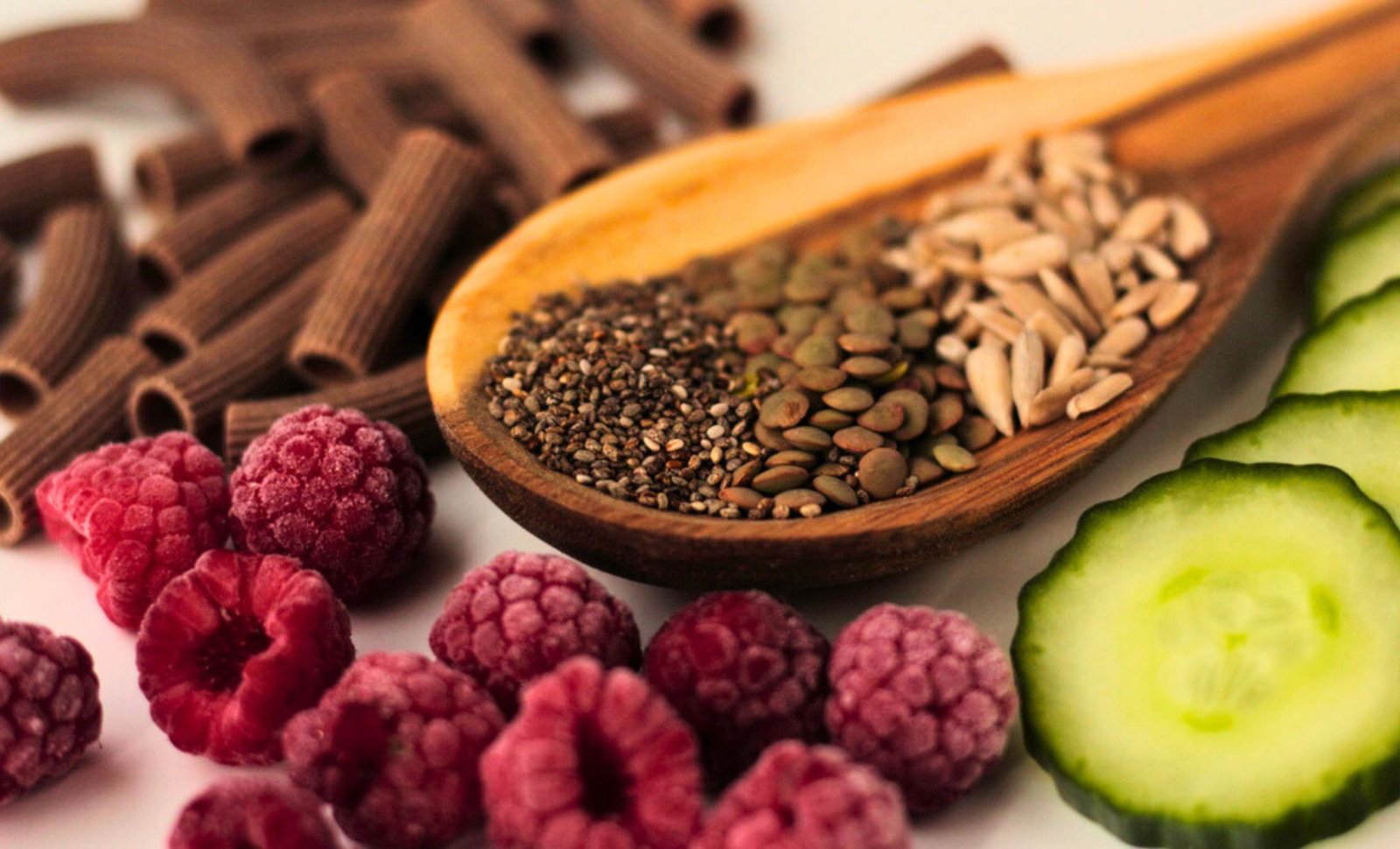
- Whole grains (quinoa, brown rice, oats)
- Non-starchy vegetables (broccoli, leafy greens, zucchini)
- Legumes and pulses (lentils, chickpeas, black beans)
- Healthy fats (olive oil, avocados, nuts)
- Lean proteins (fish, chicken, eggs, tofu)
These foods stabilize blood sugar, improve insulin sensitivity, and help reduce systemic inflammation—three factors tightly linked to PCOS pathology.
The Mediterranean and DASH diets, both rich in fiber, unsaturated fats, and phytonutrients, are increasingly recommended by PCOS specialists for their long-term hormonal benefits.
What to cut: processed carbs, sugar, and trans fats
The foods to avoid are just as important—and often overlooked in generic dietary advice.
According to Brown University Health and CCRM, the worst offenders for PCOS are:
- Refined carbohydrates (white bread, pasta, cookies, sweetened cereal)
- Sugary drinks (soda, bottled smoothies, fruit juices)
- Fried foods and processed meats
- High-sugar dairy (especially sweetened yogurt and ice cream)
These items spike insulin levels, promote fat storage, and exacerbate inflammation. Worse, they may further suppress ovulatory function—deepening the reproductive challenges PCOS already presents.
Dr. Kudesia adds: “It’s not about cutting calories. It’s about changing the hormonal conversation at the cellular level. Food either fuels balance or dysfunction.”
Not just weight
Too often, dietary success in PCOS is measured by weight loss alone, a flawed metric that ignores the hormonal and metabolic progress happening under the surface.
Yes, studies show that losing just 5% of body weight can improve ovulation and reduce androgen levels. But this modest reduction is most effective when achieved via nutrient-dense, blood-sugar-stabilizing foods, not crash diets.
And for many women—especially those with lean PCOS phenotypes—there may be no excess weight to lose at all. That doesn’t mean diet doesn’t matter. It means the focus must shift from pounds to processes: improved insulin sensitivity, restored ovulation, and normalized hormone profiles.
A 2021 paper in Endocrine Reviews calls for exactly that: outcome metrics that reflect metabolic healing, not just numbers on a scale.

Ghiles Houari is a writer based in Algeria with a technical background in applied science and industrial electronics. He is naturally curious about how things work, from everyday technology to the systems and ideas shaping the modern world.
With his hands-on technical training, Ghiles brings a practical and thoughtful perspective to his writing. He focuses on making science, technology, electronics, and innovation clear, interesting, and easy to understand.
For him, good writing is not just about explaining facts — it is about helping readers see why they matter.
Leave a Reply